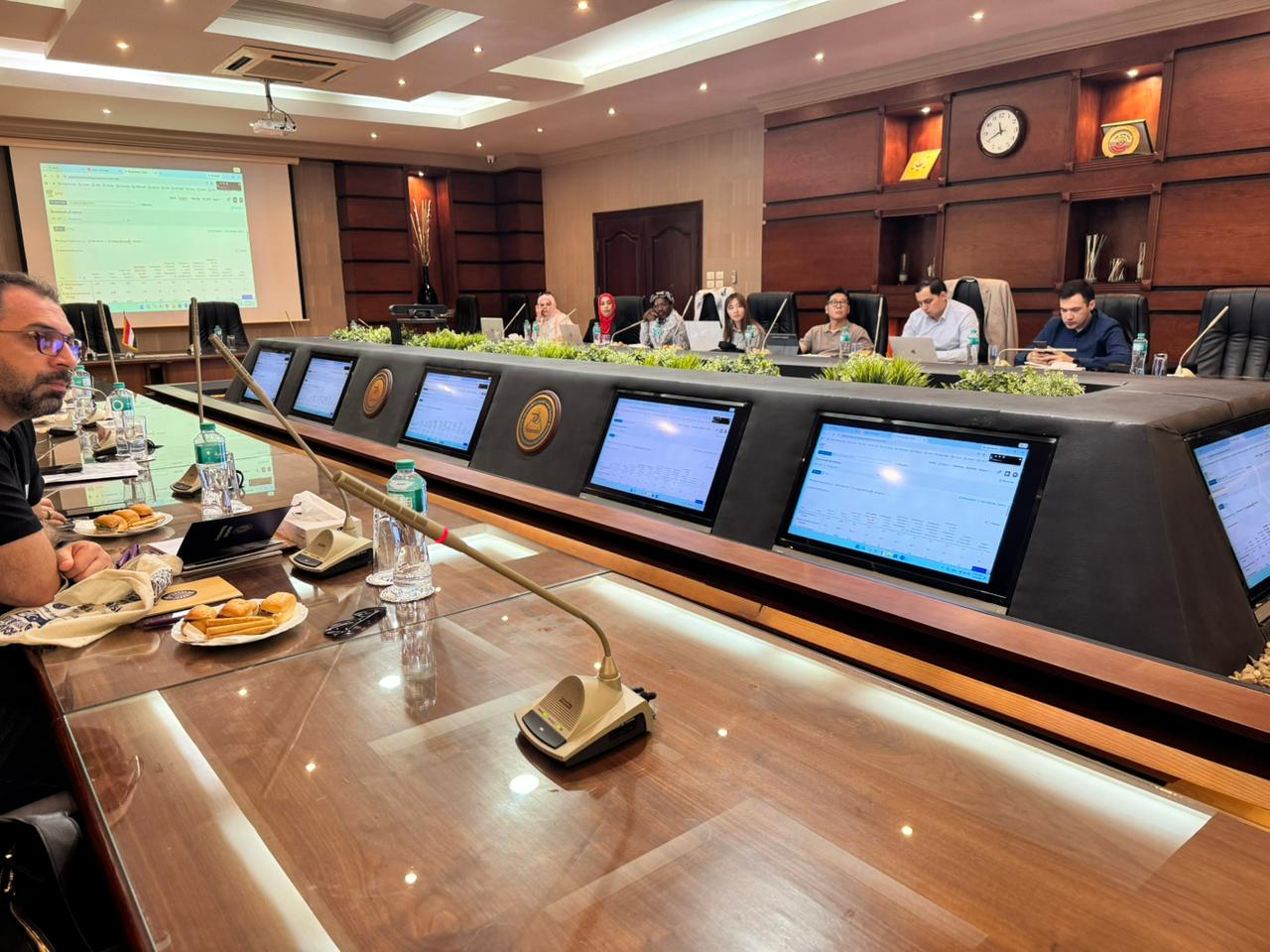
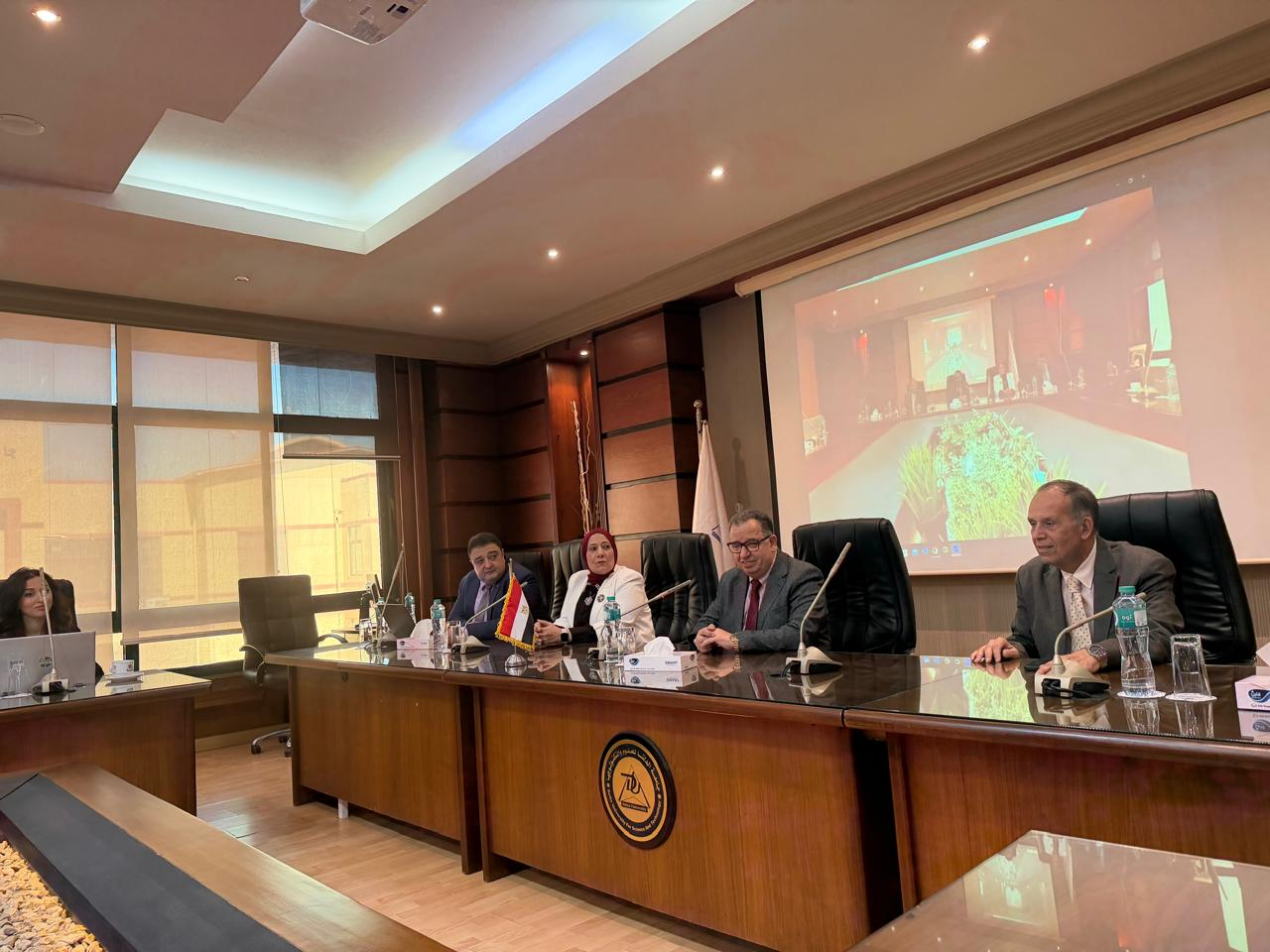
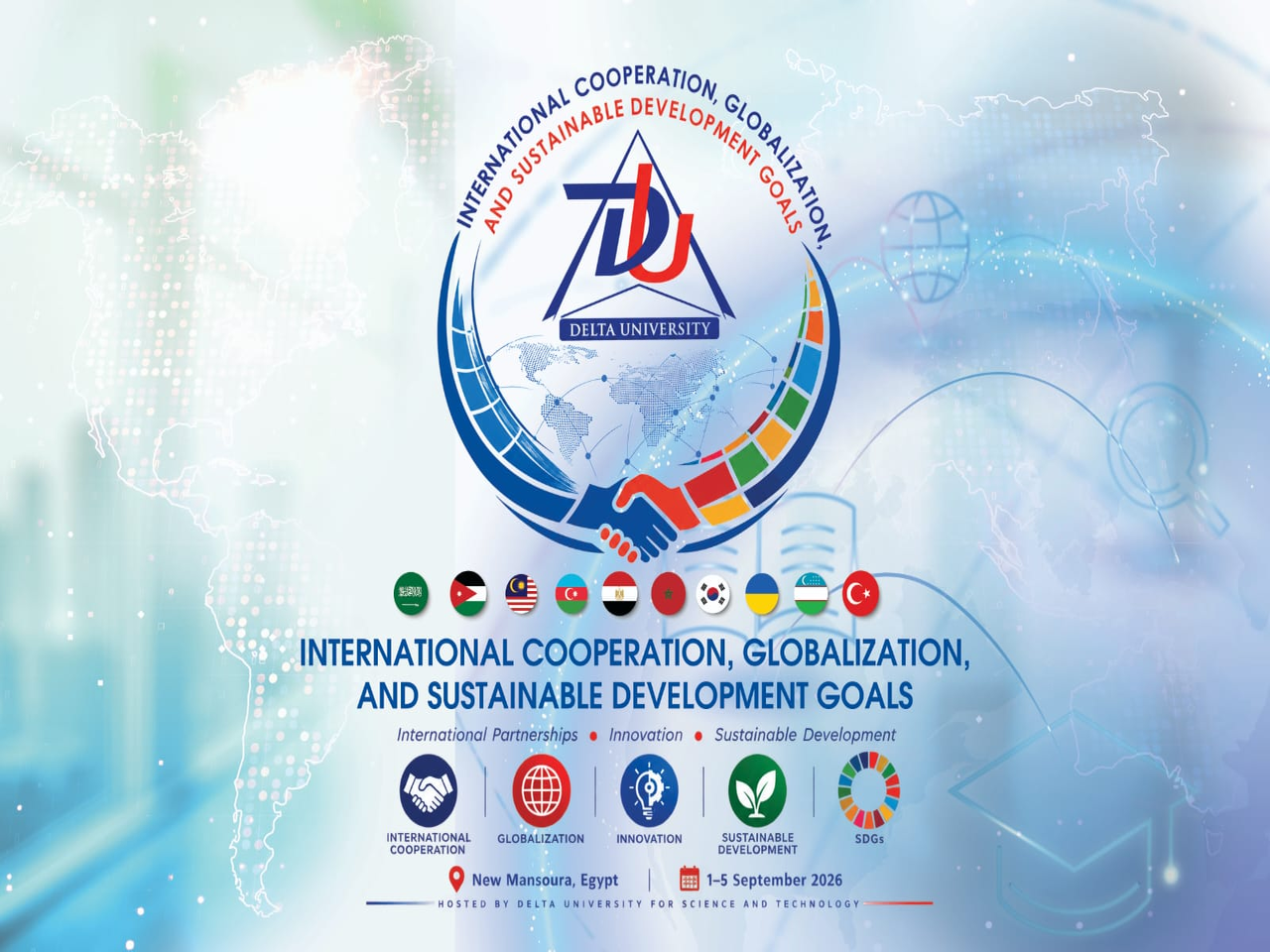
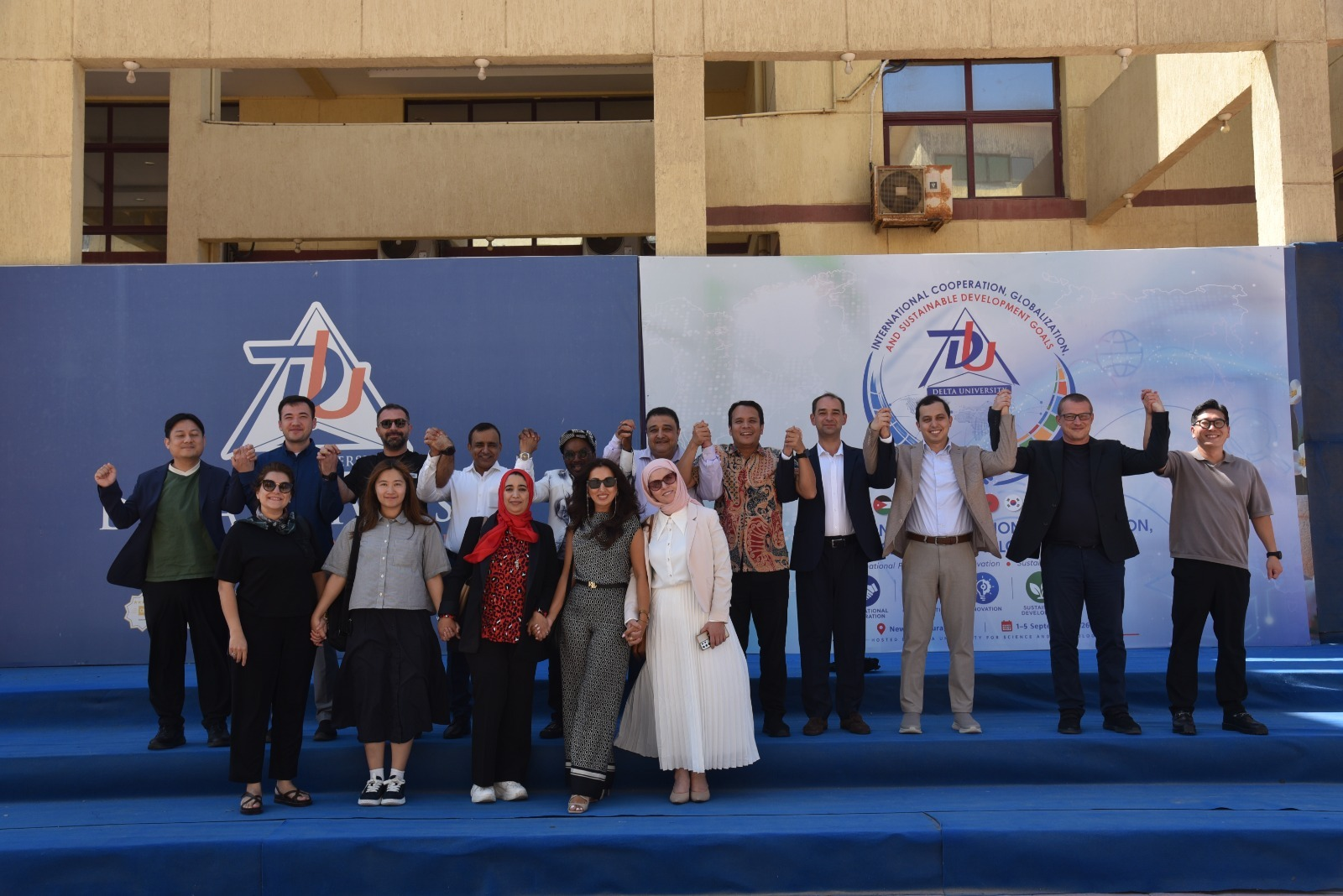
A challenge faced by one university may already have been addressed by another. Across countries and academic systems, institutions develop different knowledge, practices and experiences; when these are shared, individual challenges can become opportunities for collective solutions. This principle gave particular meaning to the second International Workshop on “International Cooperation, Globalization and the Sustainable Development Goals,” held at Delta University for Science and Technology from 1 to 5 September 2026. With the participation of Ibn Tofail University, the workshop brought together representatives of 12 universities and higher education institutions from 10 countries to exchange experiences, examine shared priorities and explore how international cooperation can contribute to the future of higher education and sustainable development.
The participating institutions represented Azerbaijan, Malaysia, the Republic of Korea, Jordan, Morocco, Uzbekistan, Türkiye, Ukraine, Saudi Arabia and Kuwait. This geographical and academic diversity created a space where different experiences in higher education could be shared and discussed. The programme addressed international cooperation, institutional development, quality assurance and research systems, enabling participating institutions to consider both common challenges and approaches developed within different academic contexts.
Sustainable development formed a central part of this international dialogue. Discussions examined the responsibility of universities in contributing to the Sustainable Development Goals (SDGs) and highlighted the importance of integrating sustainability into institutional practices. This approach placed sustainability within the broader development of higher education, connecting it with education, scientific research, institutional practices and international cooperation.
The workshop also examined the future of higher education internationalisation and what meaningful international cooperation should produce. Internationalisation was considered not only in terms of institutional relations and formal agreements, but through its capacity to generate concrete projects, academic programmes and sustainable partnerships in education and scientific research. Particular attention was given to academic and student mobility, joint research, and the exchange of knowledge and expertise as practical mechanisms for strengthening cooperation among universities.
Such exchanges allow institutions to learn from experiences developed elsewhere while sharing their own knowledge in return. They can connect researchers with complementary expertise, provide students and academic staff with broader opportunities for mobility and exchange, and create foundations for collaborative research. In this sense, international cooperation becomes a two-way process in which institutional diversity can serve as a resource for developing responses to shared challenges.
For Ibn Tofail University, the workshop also led to concrete steps towards strengthening international academic cooperation. The University signed a Memorandum of Understanding (MoU) with Delta University for Science and Technology, as well as agreements with other participating partner universities. These agreements provide a framework for extending the relationships established during the workshop towards academic exchange, research collaboration and other forms of institutional cooperation.
The outcomes therefore extended beyond the exchange of ideas during the five-day programme. By establishing frameworks for continued collaboration, participating institutions created opportunities to transform international dialogue into sustained academic and research partnerships. This reflects a broader understanding of internationalisation in which the value of cooperation lies not simply in establishing connections, but in the knowledge exchanged, opportunities created and collaborative initiatives that can develop from them.
Ibn Tofail University’s participation placed it within an international exchange connecting higher education, cooperation and sustainable development. Through dialogue with institutions from diverse academic contexts and the establishment of new cooperation frameworks, the workshop opened pathways for continued knowledge exchange and collaborative action. Ultimately, the experience illustrated a simple but important principle: when universities share what they know, one institution’s experience can help another address its challenges, turning diversity into a resource for more collaborative and sustainable higher education.