Event: 23–24 June 2026
Knowledge gains value when it moves beyond institutional and national boundaries. At EM-HERI 2026, Ibn Tofail University joined a Euro-Mediterranean dialogue focused not only on sharing research, but also on improving the conditions through which knowledge, researchers and students can circulate between universities.
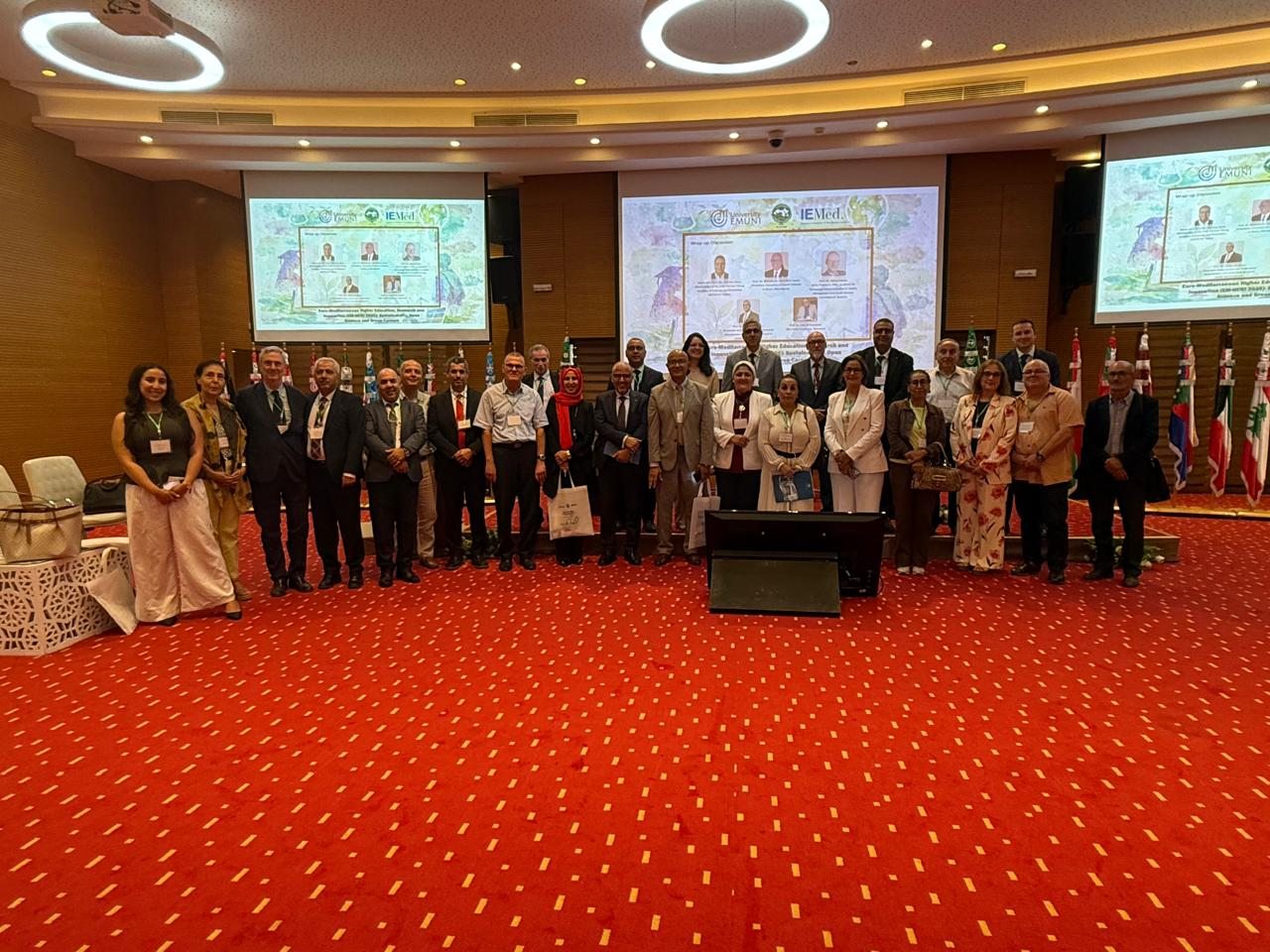
Held on 23–24 June 2026 at ALECSO headquarters in Tunis, Tunisia, the Euro-Mediterranean Higher Education, Research and Innovation Conference (EM-HERI 2026) brought together university leaders, policymakers, researchers, experts, and representatives of regional and international organizations from Arab and European countries. Organized by ALECSO, in partnership with EMUNI and IEMed, the conference centred on “Sustainability, Open Science and Green Careers.” Its programme combined high-level dialogue with thematic panels and scientific sessions, fostering exchange among research, higher-education policy and institutional practice.
A high-level discussion on the Mediterranean University Partnership explored how joint programmes, academic mobility and institutional partnerships could contribute to a more connected Euro-Mediterranean higher-education space. The thematic sessions then examined what major transitions mean for universities in practice. Sustainability was linked to university strategies and curricula, helping move environmental commitments into institutional practice and student learning. Open science addressed access to research, research infrastructures, and data sharing, which can widen the reach of scientific knowledge and strengthen collaboration. Green and digital skills connected higher education to changing employment needs, while discussions on entrepreneurship and innovation examined how universities can interact more closely with economic and innovation ecosystems. Parallel scientific sessions brought recent research and practices into these wider discussions.
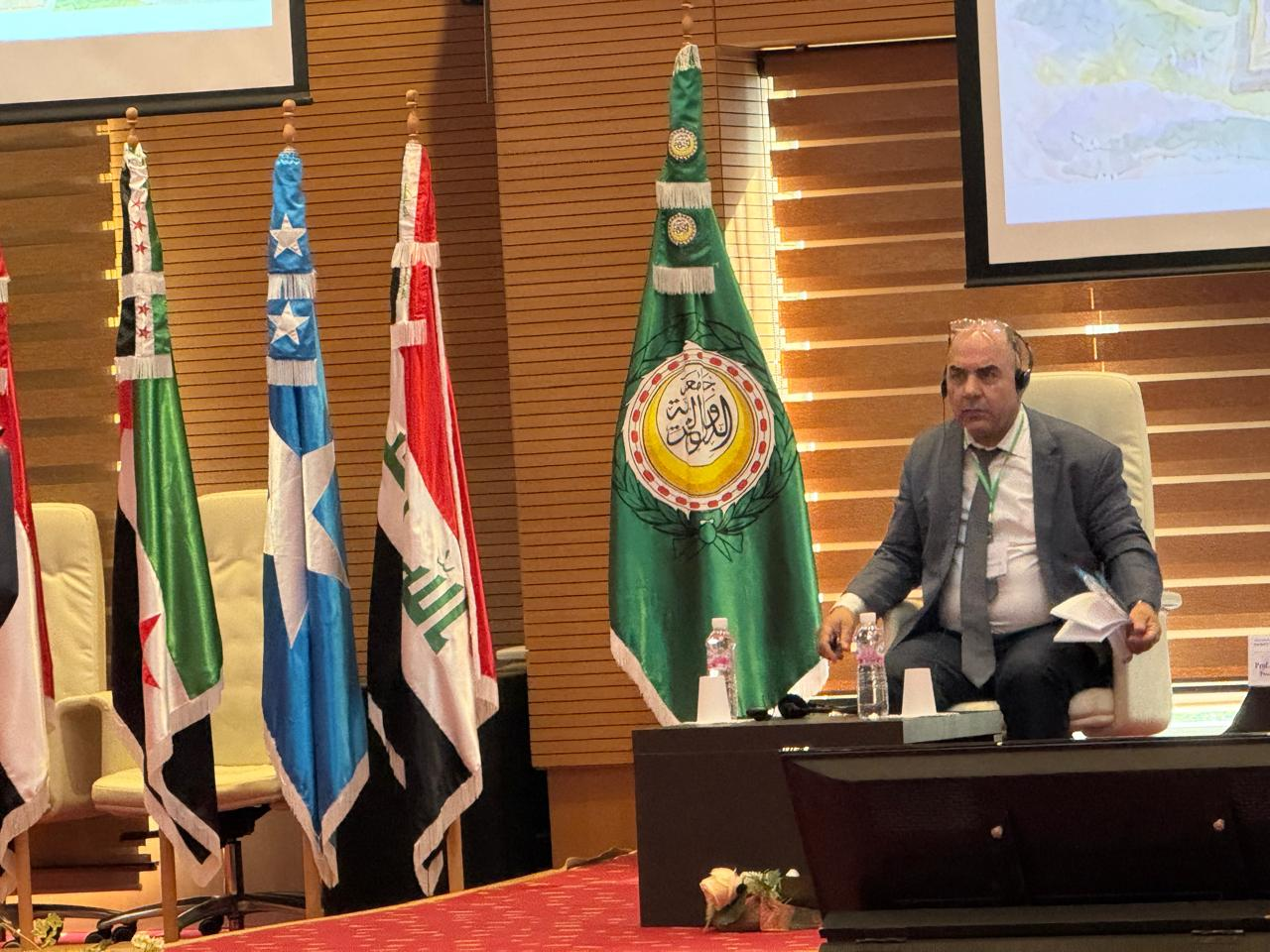
Ibn Tofail University contributed directly through Prof. Ahmed Ajaoun, Dean of the Faculty of Legal and Political Sciences, who participated in the panel on open science, research excellence and knowledge sharing. The exchange addressed knowledge production, scientific dissemination, and research cooperation, allowing approaches from different academic environments to be compared. Prof. Zahi Mohammed also participated in the wrap-up discussion, which connected the conference’s different strands to future directions for higher education and scientific research across the Euro-Mediterranean region.
On 24 June, attention shifted from identifying shared priorities to examining how cooperation could work across different higher-education systems. The Arab–European Integration Initiative for Joint Scientific and Academic Mobility addressed student and researcher mobility, recognition of academic qualifications, joint research and innovation, quality assurance, and comparability between study programmes. These mechanisms are important because differences between academic systems can restrict mobility or make joint academic work more difficult. Experience from the European Higher Education Area offered a reference for considering approaches adapted to Arab–European cooperation, while a 2026–2030 roadmap provided a framework for moving the initiative toward implementation.
The exchange also opened prospects beyond the event itself. Discussions identified opportunities for future academic cooperation, particularly in areas such as engineering and artificial intelligence. This created a pathway for the dialogue developed in Tunis to continue through research collaboration and stronger institutional connections across the Euro-Mediterranean academic community.
For Ibn Tofail University, EM-HERI 2026 combined academic outreach with two-way learning. The University contributed its experience to an international academic forum while engaging with approaches to open science, sustainability, skills development, and cross-border mobility. More importantly, the discussions connected these themes to mechanisms that can produce change: wider circulation of research, curricula better aligned with emerging transitions, fewer barriers to academic mobility, and new pathways for collaborative research. In this sense, the 2 days in Tunis extended academic outreach beyond visibility by linking knowledge exchange to opportunities for future action.