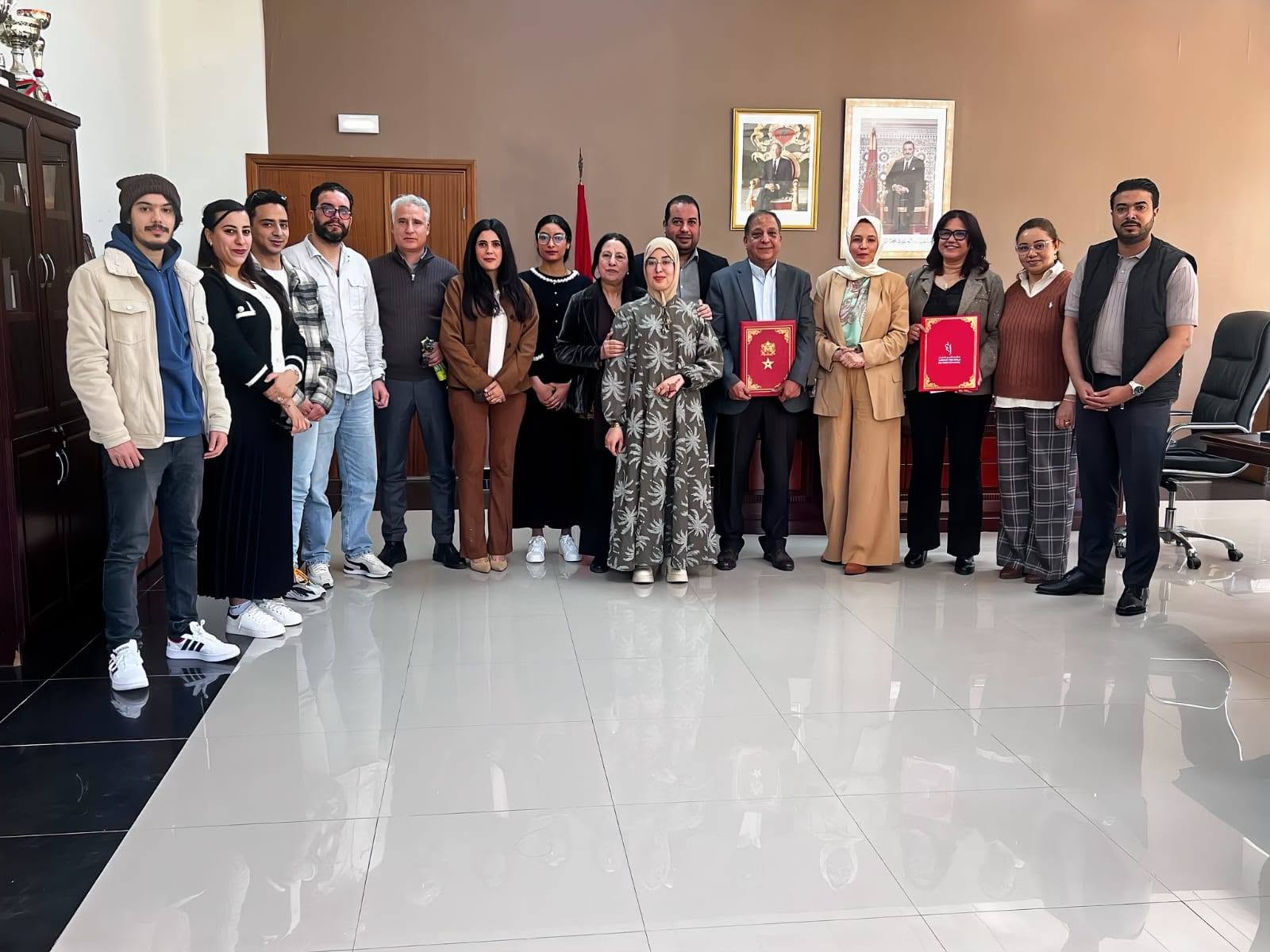
Event: 31 March 2026
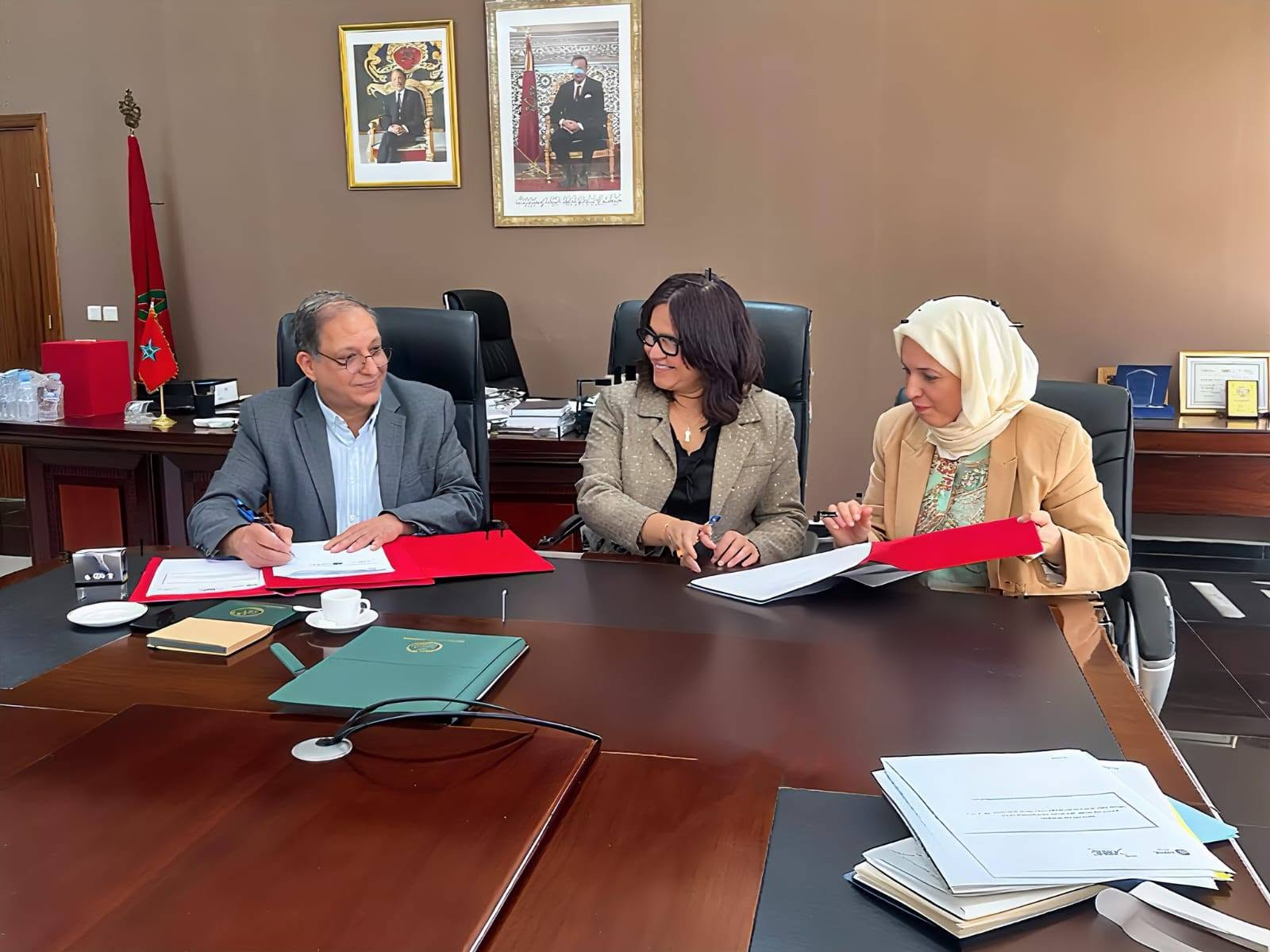
On Tuesday, 31 March 2026, the Faculty of Languages, Letters and Arts at Ibn Tofail University signed a partnership agreement with Oxfam and the Challenge Association for Equality and Citizenship (ATEC). The agreement was concluded within the framework of the project “For Public Television Channels Free from Stereotypes against Women” and aims to support master’s students through grants dedicated to scientific studies on media and women’s issues.
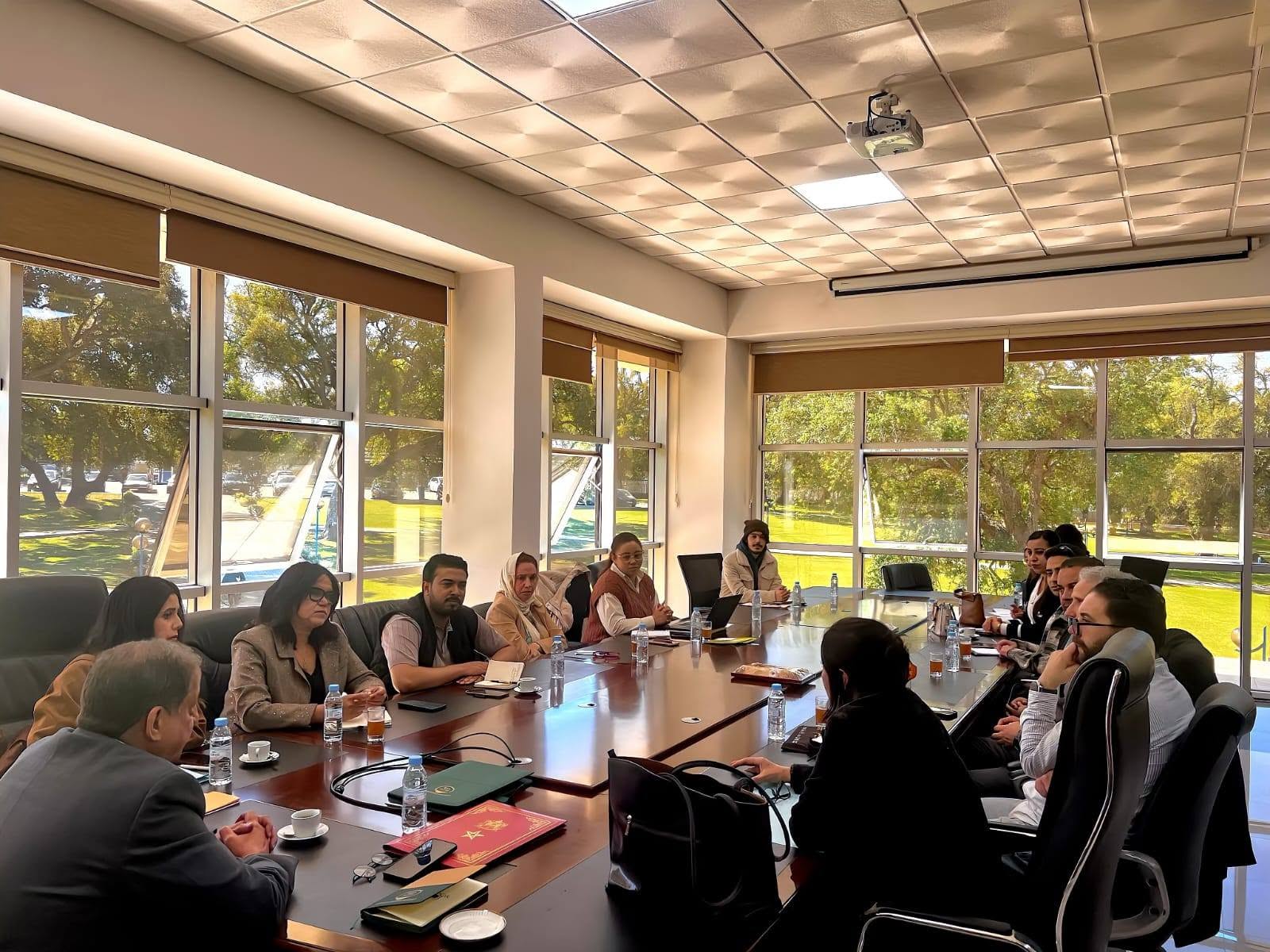
The signing ceremony brought together the Dean of the Faculty, institutional partners, students, and pedagogical staff from the Centre of Excellence in Communication and Media. The event reflected the Faculty’s commitment to strengthening research that addresses current social questions and connects academic knowledge with public debate.
This partnership is part of a wider project implemented by Oxfam Morocco in partnership with ATEC and with the financial support of the European Union. The project extends over 30 months and focuses on public audiovisual media. It seeks to deconstruct sexist stereotypes in media content, professional practices, and institutional structures, while promoting more inclusive narratives based on equality, diversity, and respect for women’s rights.
Oxfam is an international organization whose work focuses on fighting poverty, injustice, and inequality. In this project, its contribution is linked to gender justice and to the promotion of fairer social representations. ATEC, founded in Casablanca in 2003, is an independent and democratic organization committed to women’s socio-economic empowerment, the promotion of women’s rights, and the fight against gender-based violence.
For the Faculty of Languages, Letters and Arts, the agreement creates an opportunity for students to examine how media discourse shapes public perceptions of women. By supporting master ’s-level research, the partnership encourages students to study how television programmes, advertising, and other media products may reproduce stereotypes or contribute to more balanced representations.
The expected impact of this initiative lies in its ability to strengthen evidence-based reflection on the relationship between media and gender equality. The studies produced by students may help enrich academic debate, support critical analysis of media content, and contribute to future awareness and advocacy efforts on women’s representation in the public sphere.
The agreement also confirms the importance of cooperation between universities, civil society organizations, and international partners. By bringing together academic research, field experience, and institutional engagement, this initiative is expected to contribute to a more responsible media culture and to a stronger public conversation on equality, dignity, and non-discrimination.