
Date: 27 – 29 November 2025
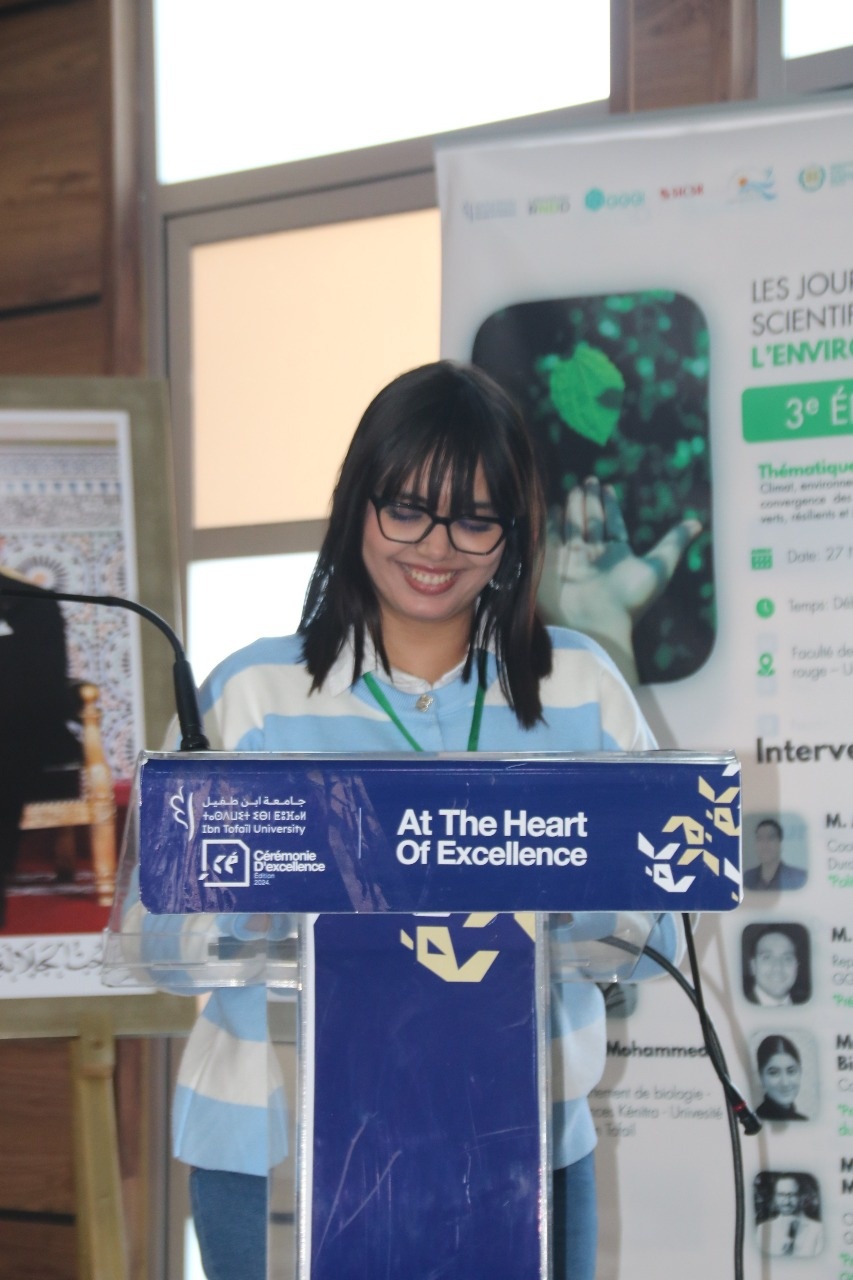
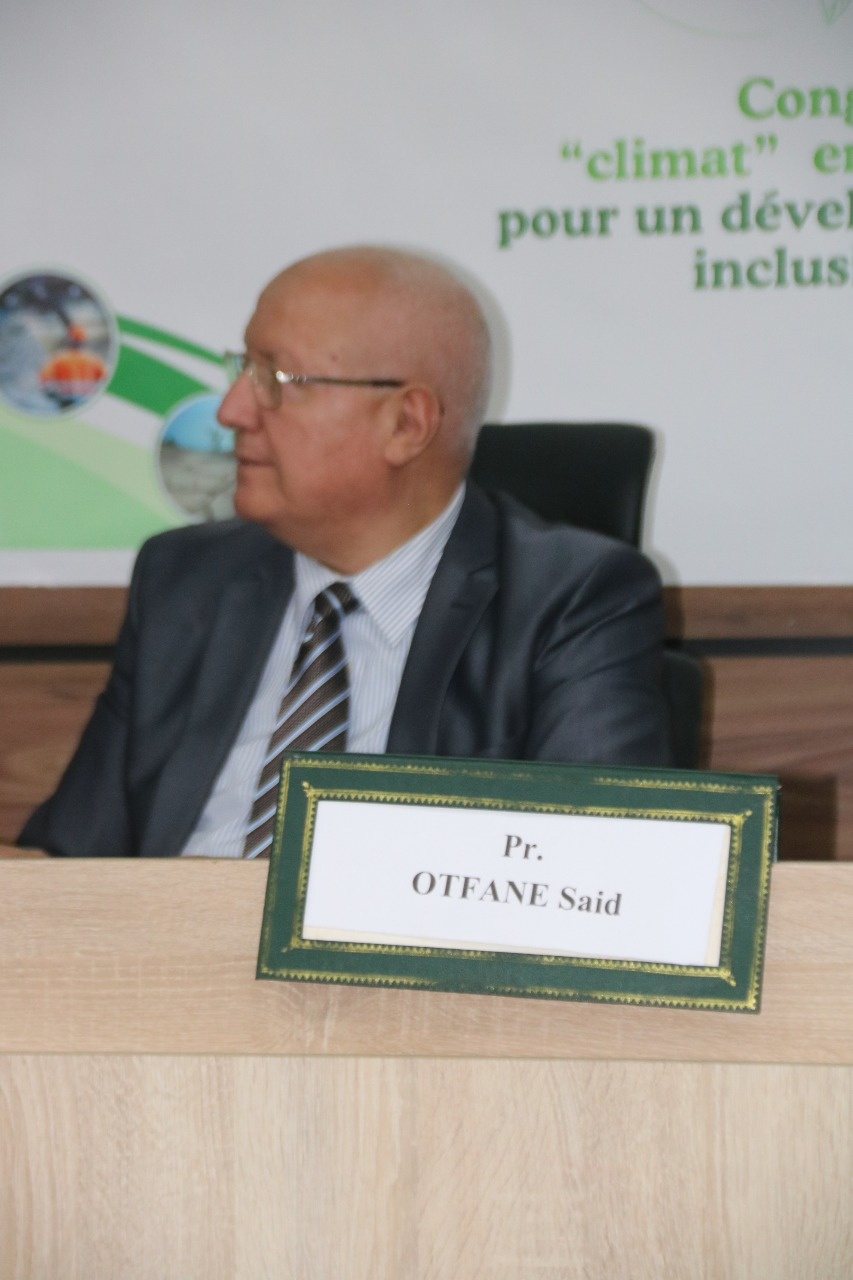
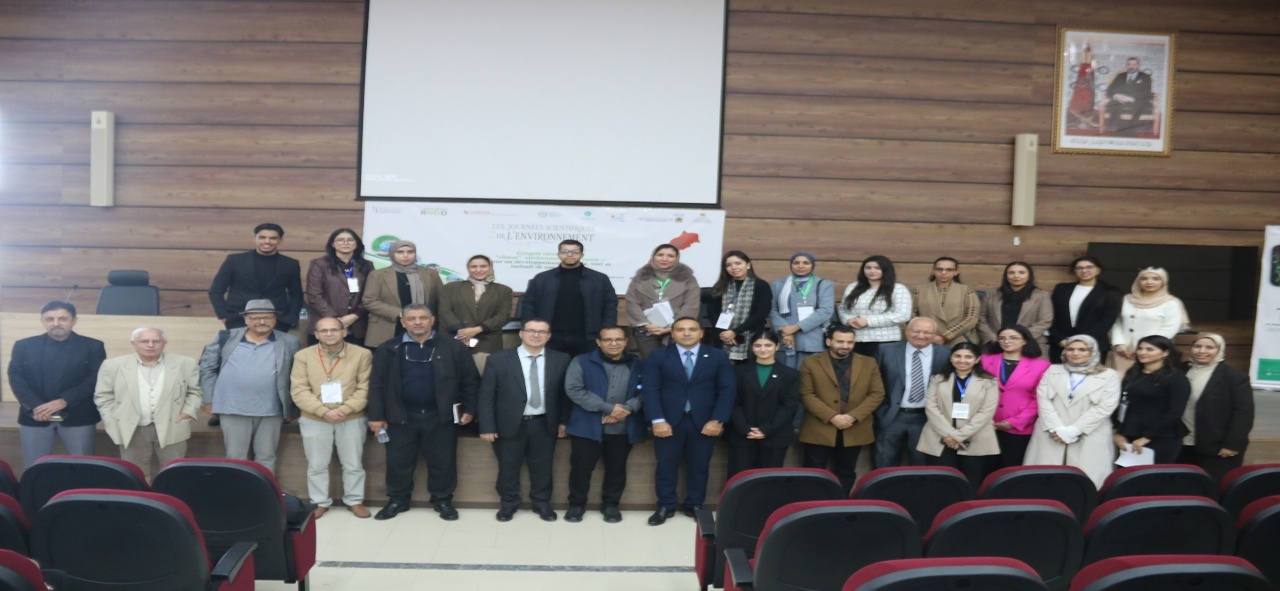
From November 27 to 29, 2025, the Faculty of Sciences at Ibn Tofail University hosted the 3rd edition of the Scientific Days of the Environment, an international conference held in Kenitra and at the Exotic Gardens of Rabat. Organized under the theme “Climate, Environment and Health: For Sustainable, Green and Inclusive Territorial Development,” the event brought together researchers, academics, experts, and practitioners to engage in collective reflection on the environmental and health challenges shaping contemporary societies.
The conference highlighted the growing interconnection between climate change, environmental conditions, and human health, particularly within local and regional contexts. Scientific discussions highlighted how climate variability, environmental degradation, and pollution are directly influencing ecosystems, living conditions, and public health. Through these exchanges, the event emphasized the urgent need to rethink development pathways in a way that balances environmental protection with social well-being.
Throughout the sessions, participants explored environmental challenges such as the degradation of natural resources, waste accumulation, ecosystem vulnerability, and environmental risks affecting communities. These issues were examined not only from a scientific standpoint, but also through their concrete implications for territories and populations. The discussions underscored the importance of sustainable management of water, soil, and natural ecosystems, as well as the preservation of fragile environments, including coastal and terrestrial areas.
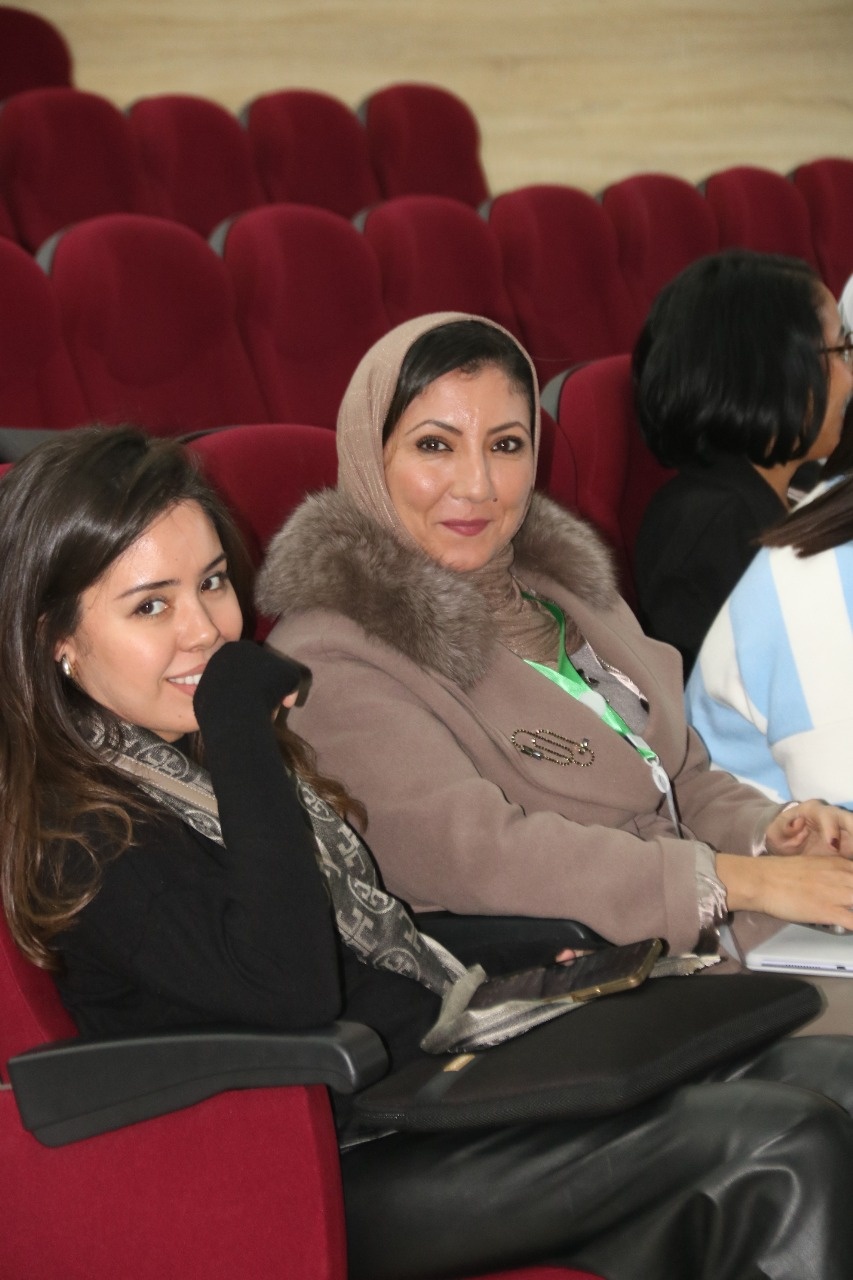
A defining strength of this third edition was the interactive dimension of the conference. The event fostered open dialogue between researchers, professionals, and institutional actors, enabling the exchange of experiences and perspectives across disciplines. These interactions allowed participants to connect scientific research with real environmental challenges, encouraging thoughtful discussion on how knowledge can support territorial planning, environmental governance, and informed decision-making.
The conference also served as a space for proposing practical orientations and solutions. Participants stressed the importance of preventive approaches to environmental and health risks, the adoption of responsible and sustainable practices adapted to local realities, and the integration of scientific expertise into public and environmental policies. Collaboration between universities, institutions, and civil society was repeatedly highlighted as a key factor for ensuring long-term and inclusive environmental solutions.
Health remained a central concern throughout the discussions, reinforcing the idea that environmental protection and human well-being are inseparable. The exchanges emphasized that sustainable development must place people at its core, recognizing that environmental policies are effective only when they contribute to improved living conditions while safeguarding ecosystems for future generations.
By combining academic spaces with ecological settings, the Scientific Days of the Environment conveyed a strong message: science must remain closely connected to nature, territories, and society. This third edition illustrated the essential role of universities in fostering dialogue, responsibility, and engagement around major environmental and societal challenges.