January 24–27, 2025 | Douar Isoual, Azilal Province, Morocco
As part of its commitment to community outreach, health and well-being, social responsibility, and sustainable development, Ibn Tofail University, through the Lions Club Espoir ENCG Kenitra, organized the 12th edition of its humanitarian mission in Douar Isoual, located in the province of Azilal, from January 24 to 27, 2025.
This student-led community outreach initiative aimed to improve the living conditions of vulnerable rural populations affected by the Al Haouz earthquake, while promoting public health, healthcare access, community engagement, social inclusion, and humanitarian solidarity.
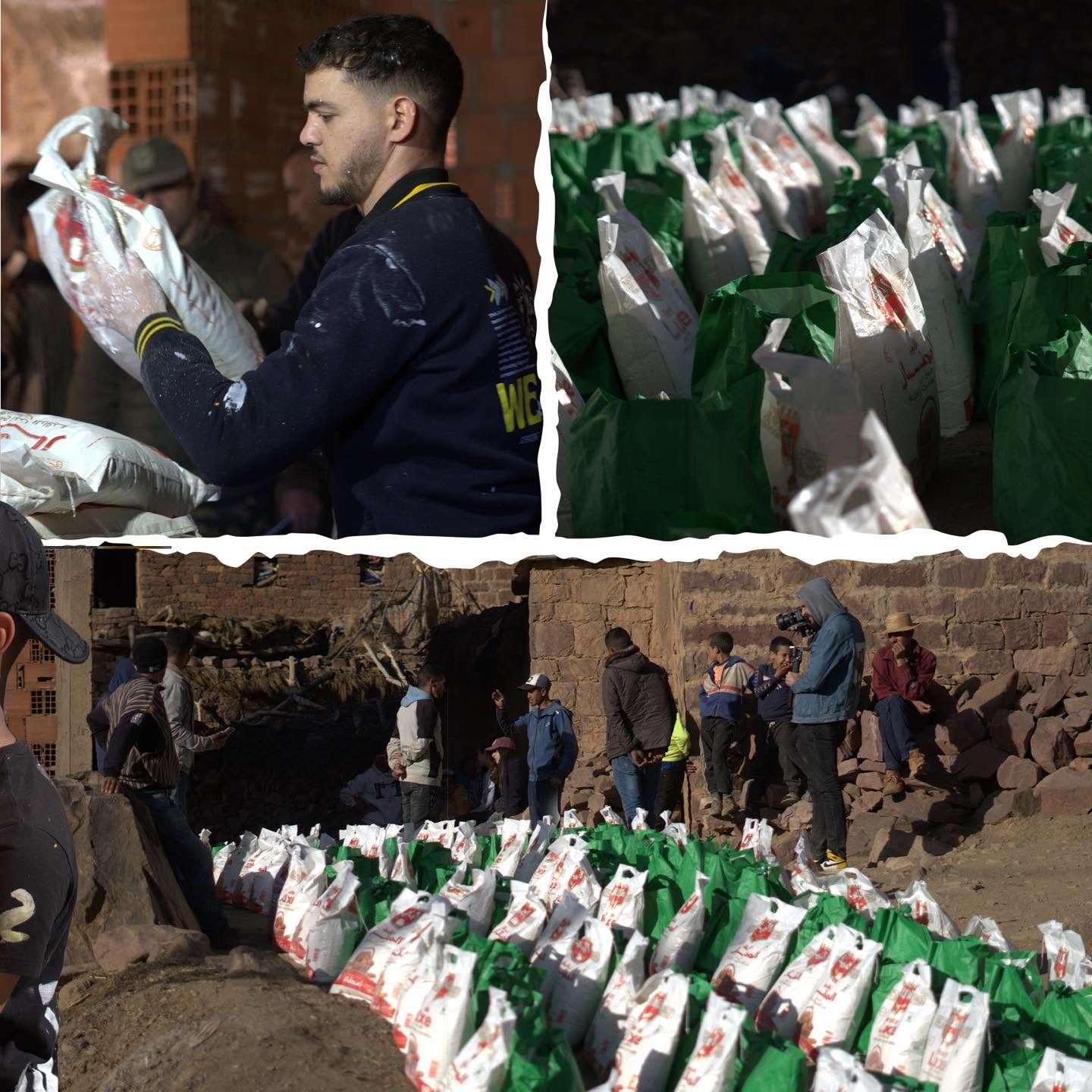
The mission brought together several complementary humanitarian activities, including the drilling of a water well, a medical caravan benefiting more than 150 people, the rehabilitation of a local school, the restoration of a mosque, the distribution of 225 food baskets, and the provision of clothing and blankets to families in need.
Through this integrated approach, the initiative highlights the important role of university outreach programmes, student volunteering, and community-based projects in addressing local needs, promoting health equity, and contributing to the United Nations Sustainable Development Goals (SDGs).
150+Medical caravan beneficiaries
| 225Food baskets distributed | 1Water well drilled |
Supporting Vulnerable Communities Affected by the Al Haouz Earthquake
Douar Isoual was selected as the destination for this humanitarian mission due to the significant socioeconomic challenges faced by its inhabitants, particularly following the Al Haouz earthquake.
The local population faced difficult living conditions, including limited access to drinking water, essential resources, healthcare services, and adequate community infrastructure.
Recognizing these challenges, the Lions Club Espoir ENCG Kenitra mobilized its members around a comprehensive community outreach programme designed to respond to immediate humanitarian needs while contributing to longer-term improvements in quality of life.
This initiative reflects Ibn Tofail University’s commitment to community engagement, disaster recovery, poverty alleviation, social inclusion, public health, and community resilience.
By connecting student volunteering with the needs of underserved rural communities, the programme demonstrates how higher education institutions can contribute to reducing inequalities and promoting sustainable community development.
Improving Access to Water: Drilling a Well for the Local Community
One of the most significant achievements of the humanitarian mission was the successful drilling of a water well in Douar Isoual on January 25, 2025.
Access to water represents a fundamental requirement for human health, hygiene, sanitation, disease prevention, and community well-being. In rural communities experiencing water scarcity, the availability of a local water source can make a meaningful difference in everyday life.
Following extensive preparation and drilling efforts, the project reached an important milestone when water was successfully extracted from the ground.
Beyond its immediate humanitarian significance, this initiative represents an important contribution to improving local access to water resources and supporting the health, dignity, and resilience of the community.
The well-drilling project also highlights the connection between water access, environmental health, public health promotion, rural development, and sustainable community infrastructure.
Through this community outreach project, student volunteers demonstrated how collective action and social responsibility can contribute to addressing essential community needs and supporting long-term development.
Promoting Community Health: A Medical Caravan Benefiting More Than 150 People
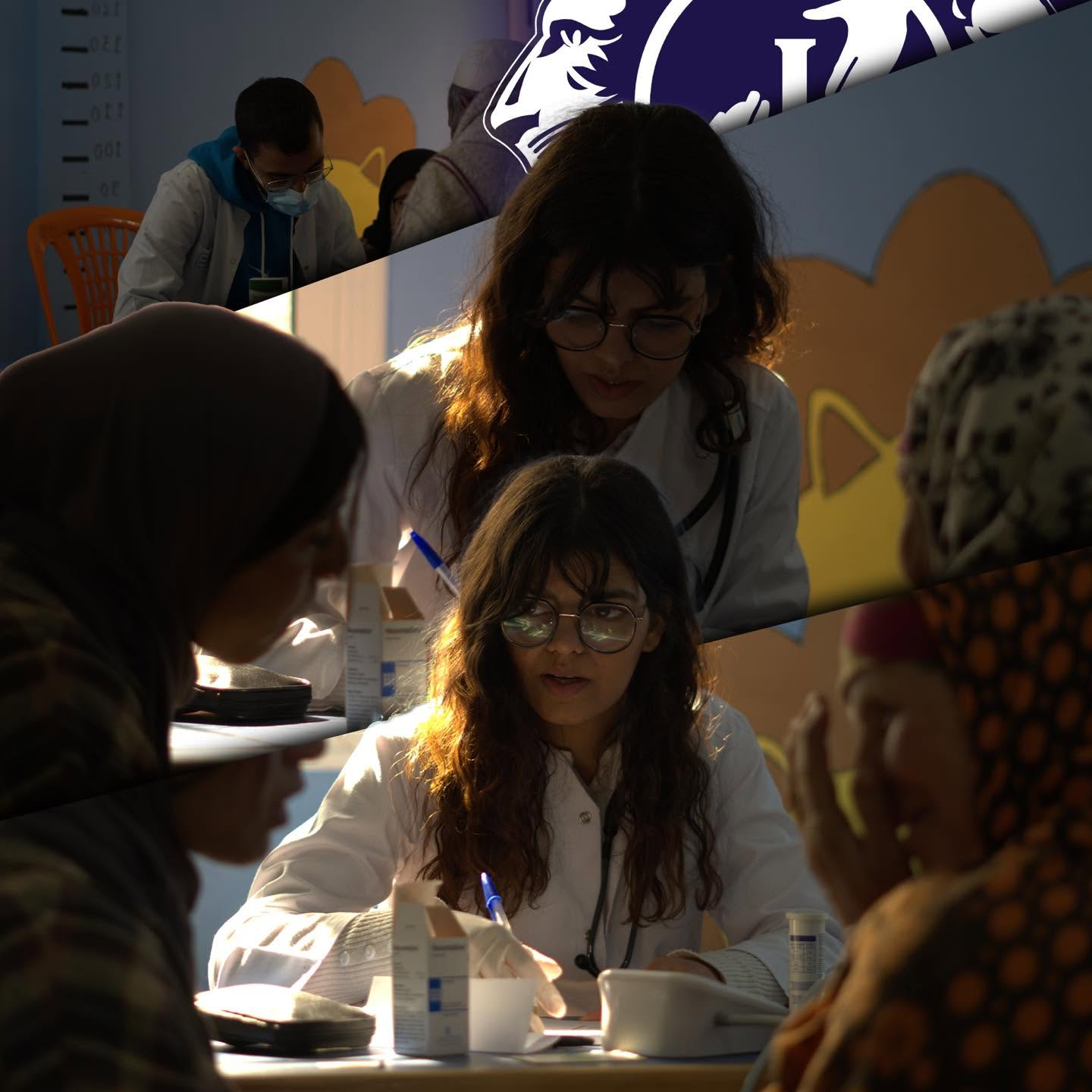
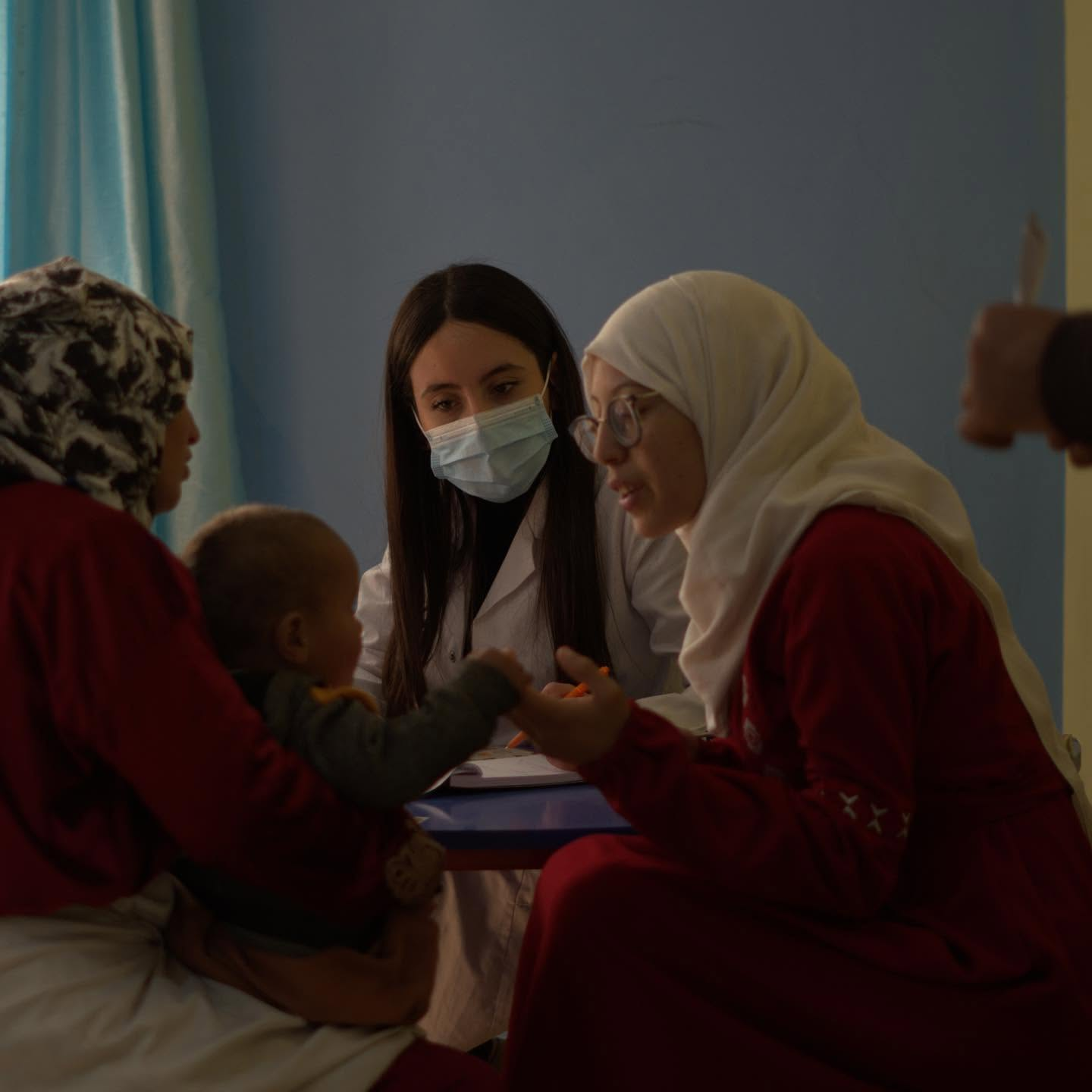
One of the central components of the humanitarian mission was the organization of a medical caravan providing healthcare assistance to more than 150 beneficiaries in Douar Isoual.
This community health outreach programme aimed to address healthcare needs among residents of a rural area where geographical isolation and socioeconomic challenges can create barriers to accessing essential medical services.
The medical caravan represented an important opportunity to bring healthcare support closer to the local population, particularly individuals and families facing difficulties in accessing medical assistance.
By facilitating access to healthcare services, the initiative contributed to the promotion of public health, community health, health equity, healthcare accessibility, social well-being, and inclusive healthcare outreach.
It also highlighted the importance of humanitarian medical missions in supporting underserved populations, reducing geographical inequalities in healthcare access, and encouraging collective responsibility for community health and well-being.
Through this initiative, the Lions Club Espoir ENCG Kenitra, affiliated with Ibn Tofail University’s ENCG Kenitra, demonstrated the role of student volunteering, community engagement, and university outreach programmes in supporting health-related initiatives beyond the university campus.
The medical caravan directly supports SDG 3 – Good Health and Well-Being, particularly through community-based healthcare assistance, improved access to health services, and support for vulnerable rural populations.
This activity illustrates the contribution of higher education institutions to outreach programmes and projects in local communities that improve and promote health and well-being, in line with the community health engagement objectives emphasized by THE Impact Rankings.
Supporting Quality Education: Rehabilitation of a Local School
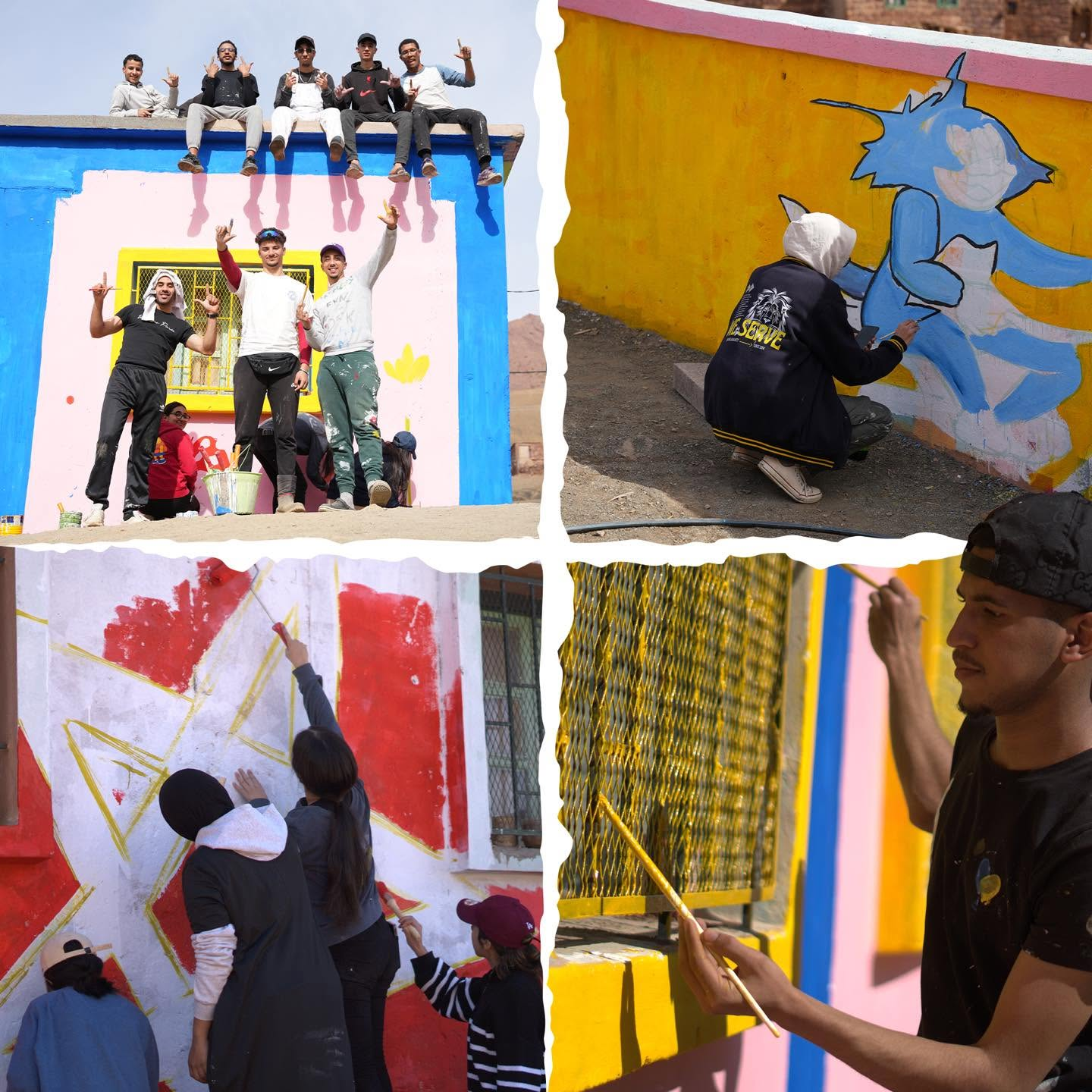
Recognizing education as a fundamental driver of social development and equal opportunity, the humanitarian mission also included the rehabilitation and improvement of a local school in Douar Isoual.
This initiative aimed to provide children with a more welcoming, supportive, and appropriate learning environment by improving the condition of educational facilities.
School rehabilitation contributes to strengthening educational infrastructure, encouraging school attendance, and creating better conditions for learning, particularly in rural communities facing infrastructure challenges.
Beyond physical improvements, this initiative demonstrates the importance of inclusive education, equal educational opportunities, child well-being, community engagement, and social responsibility.
By investing time and resources in improving a local educational facility, student volunteers contributed to supporting children’s development and strengthening the foundations of sustainable community progress.
This educational outreach activity reflects the commitment of the university community to promoting education as an essential component of social inclusion, poverty reduction, community development, and sustainable well-being.
Preserving Community Infrastructure: Restoration of the Local Mosque
The humanitarian mission also included the restoration and improvement of the local mosque, an important community facility in Douar Isoual.
In rural communities, shared spaces play an essential role in strengthening social connections, preserving local heritage, and supporting community life.
Through restoration activities, student volunteers contributed to improving the condition of this communal facility and creating a more welcoming environment for local residents.
This initiative reflects the importance of community infrastructure rehabilitation, cultural heritage preservation, social cohesion, civic participation, and community solidarity.
The restoration project further illustrates the comprehensive approach adopted during the humanitarian mission, which sought not only to respond to immediate material needs but also to support the social and communal well-being of residents.
By participating in this activity, students demonstrated how community outreach, volunteering, and collective engagement can contribute to strengthening local identity and supporting sustainable community development.
Fighting Food Insecurity: Distribution of 225 Food Baskets
As part of its humanitarian assistance programme, the Lions Club Espoir ENCG Kenitra organized the distribution of 225 food baskets to support households facing difficult socioeconomic conditions.
Access to sufficient and nutritious food is a fundamental component of health, nutrition, food security, and human well-being. Food insecurity can disproportionately affect vulnerable families, particularly those experiencing poverty, geographical isolation, or the consequences of natural disasters.
Through this food distribution initiative, the humanitarian mission provided essential food assistance to the local community, contributing to the immediate nutritional needs of beneficiary households.
The activity reflects the importance of food security, nutrition support, poverty reduction, humanitarian food assistance, community health, and social solidarity.
It also demonstrates how university volunteering programmes and community outreach initiatives can contribute to addressing social vulnerability and supporting families experiencing economic hardship.
By integrating food assistance into a wider programme of healthcare outreach and community support, the initiative adopted a multidimensional approach to improving living conditions and promoting community health and well-being.
Protecting Vulnerable Families: Distribution of Clothing and Blankets
To further support vulnerable households, the humanitarian mission included the distribution of clothing and blankets to residents of Douar Isoual.
Located in a mountainous region, the community faces challenging winter conditions, making access to warm clothing and adequate bedding particularly important for household comfort, health, and well-being.
This humanitarian assistance aimed to help families cope with cold weather and alleviate some of the difficulties associated with limited material resources.
The distribution of clothing and blankets contributes to promoting basic living conditions, social protection, human dignity, community well-being, and support for vulnerable populations.
Through this action, student volunteers demonstrated the importance of responding to practical community needs while promoting compassion, solidarity, and social responsibility.
This community outreach activity also reflects the broader role of university-led humanitarian initiatives in supporting social inclusion, reducing inequalities, and improving the well-being of underserved populations.
Student Volunteering and Community Engagement: Transforming Solidarity into Action
Beyond its individual projects, the 12th humanitarian mission illustrates the significant contribution of student-led initiatives, volunteering, community engagement, and university outreach programmes to sustainable development.
Through the Lions Club Espoir ENCG Kenitra, students participated in a collective humanitarian effort addressing interconnected challenges related to health, water access, education, poverty, and social inequality.
Such initiatives provide valuable opportunities for students to develop leadership, teamwork, empathy, civic responsibility, and practical problem-solving skills while engaging directly with the needs of local communities.
The mission also reflects the importance of experiential learning, active citizenship, social innovation, youth engagement, and student participation in sustainable development.
By connecting academic life with humanitarian service, Ibn Tofail University contributes to strengthening relationships between higher education institutions and society.
This engagement demonstrates how universities can serve as important actors in promoting public health, community resilience, health equity, social inclusion, and collective well-being.
Through community-based volunteering and humanitarian outreach, students become active contributors to positive social change, reinforcing the university’s commitment to social responsibility and sustainable development.
Ibn Tofail University: Strengthening Social Responsibility and Community Well-Being
Through the humanitarian initiatives undertaken by the Lions Club Espoir ENCG Kenitra, Ibn Tofail University highlights the importance of student engagement, community outreach, and social responsibility in addressing the needs of vulnerable communities.
The 12th humanitarian mission to Douar Isoual represents an example of how coordinated community outreach programmes and projects can contribute to improving healthcare access, promoting public health, supporting education, addressing food insecurity, expanding access to water, and strengthening community resilience.
By combining immediate humanitarian assistance with infrastructure improvements, the mission demonstrates the value of an integrated approach to health promotion, community well-being, social inclusion, and sustainable rural development.
The initiative also illustrates the contribution of university student volunteering to the objectives of THE Impact Rankings, particularly those related to community outreach activities promoting health and well-being beyond the university campus.
More than a humanitarian journey, this initiative reflects a commitment to human dignity, community solidarity, inclusive development, public health, and sustainable well-being.
Guided by the motto “We Serve”, the Lions Club Espoir ENCG Kenitra continues to embody the values of volunteering, compassion, and active citizenship, contributing to a university culture in which knowledge, responsibility, and solidarity come together to generate positive social impact.