Event: 18 May 2026
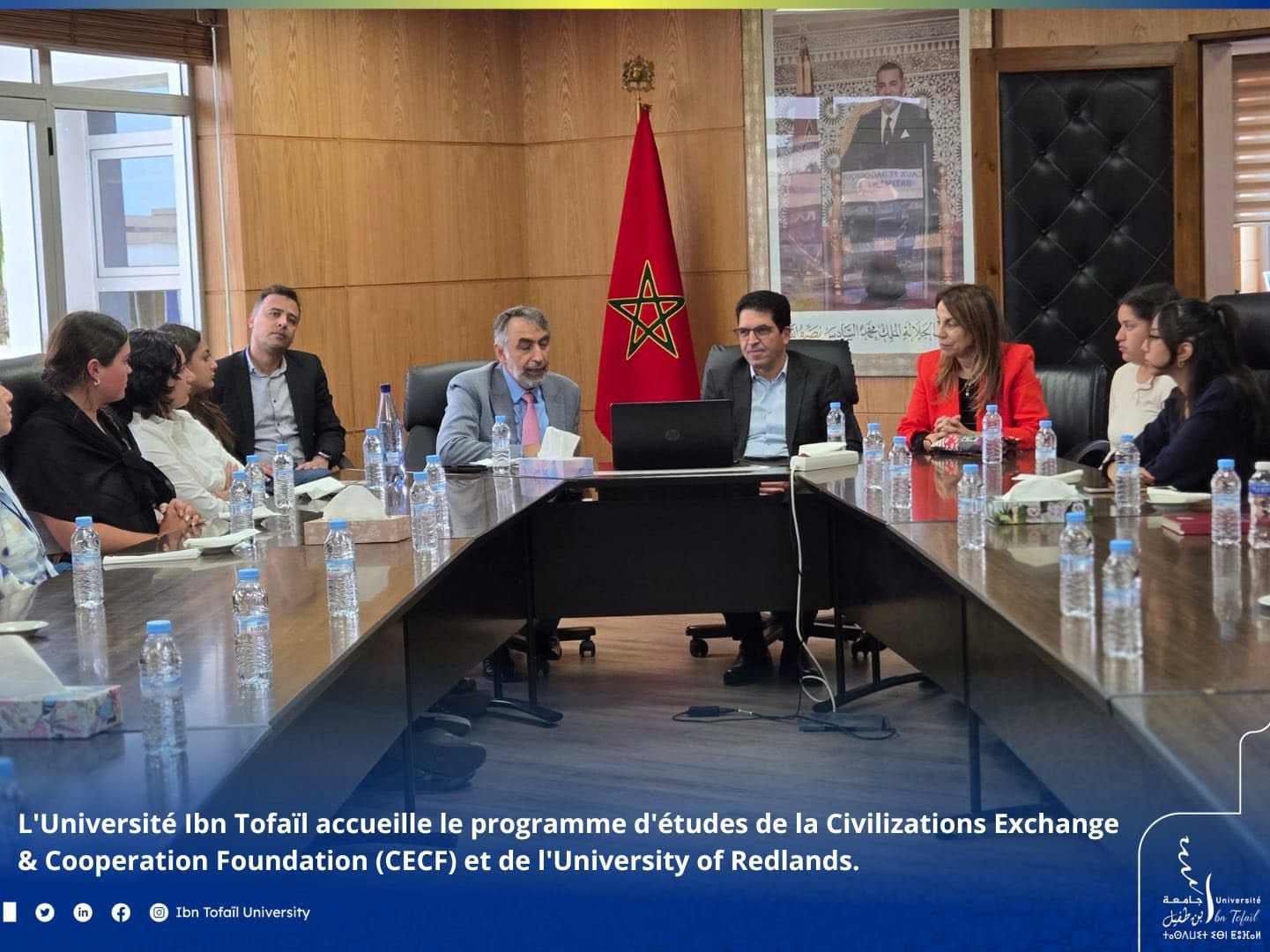
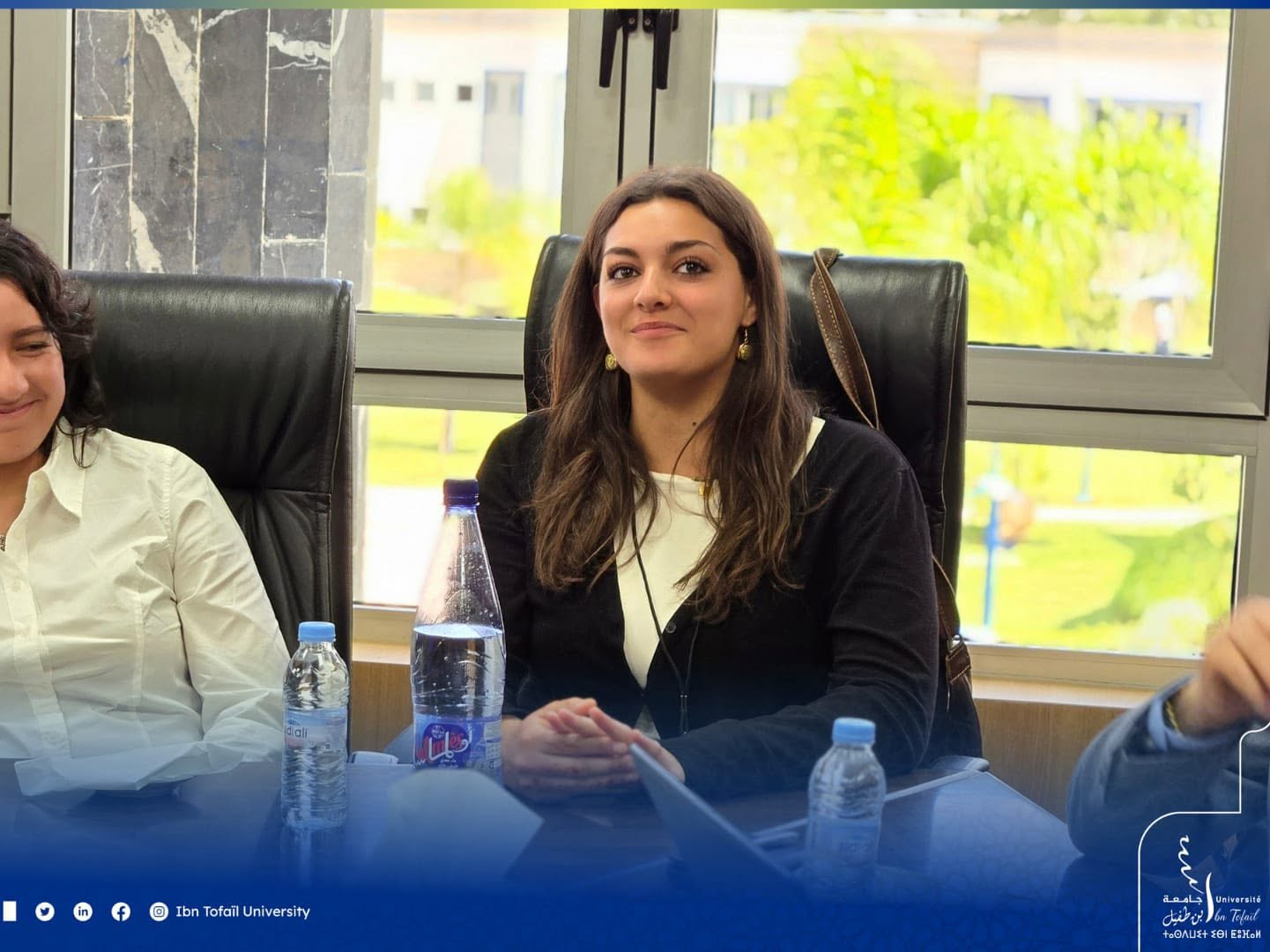
On 18 May 2026, Ibn Tofail University in Kenitra hosted an international study encounter bringing together participants, including young people, around the theme “Religious & Cultural Diplomacy: Past, Present, and Future.” The visit was part of a study program involving the Civilizations Exchange & Cooperation Foundation (CECF) and the University of Redlands, and focused on cultural diplomacy and intercultural dialogue as ways of understanding relations across different social and cultural contexts.
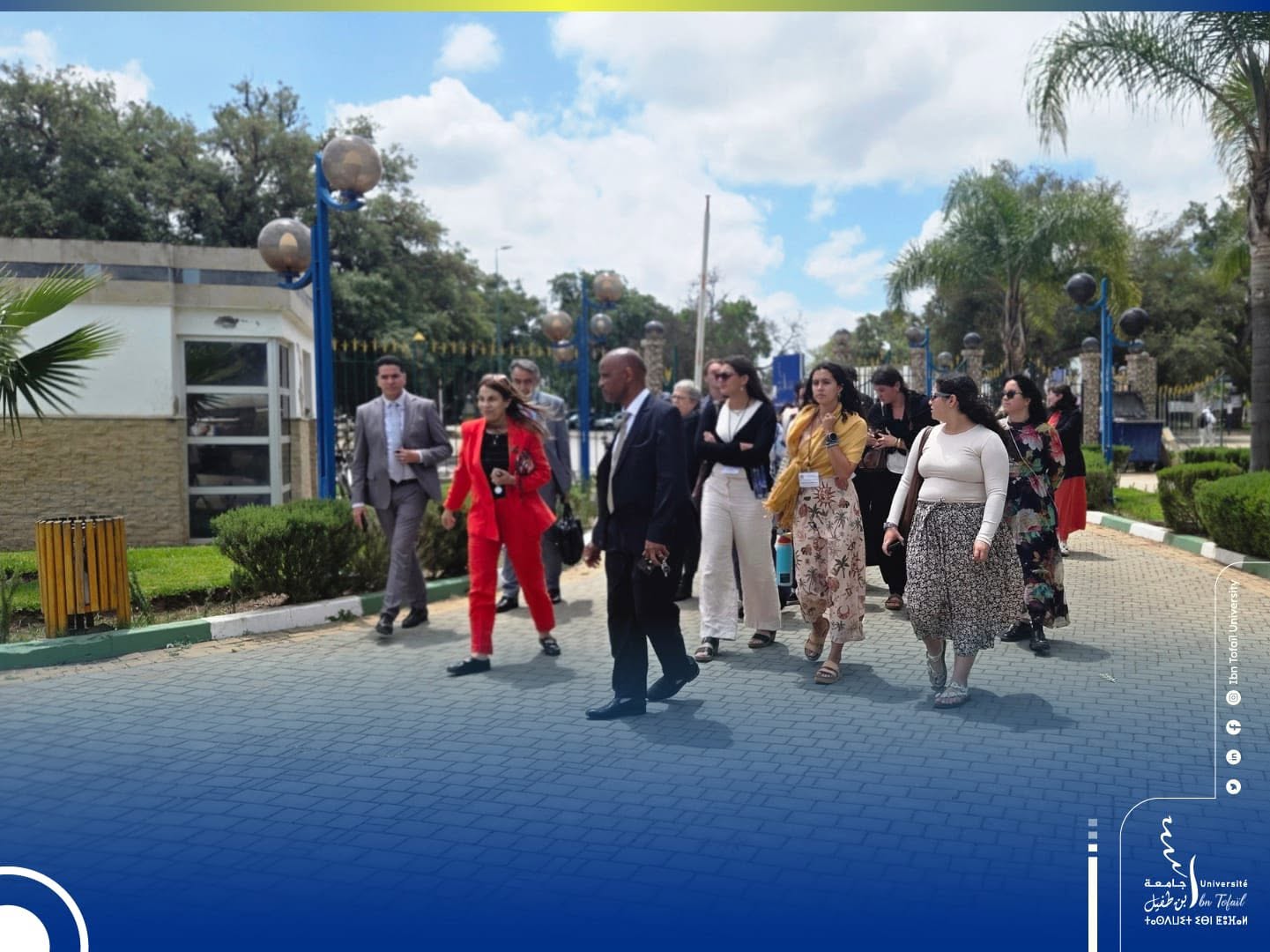
The encounter in Kenitra was one stage of a broader 6–25 May study-abroad program across Morocco and Spain. Rather than limiting learning to lectures, the program combined academic study with visits, discussions, and encounters with people and institutions in different settings. This format allowed participants to examine cultural and historical questions in the environments where they have developed, connecting what is studied academically with direct observation and exchange.
At the centre of the program was an examination of how culture, history, and religion influence the ways communities understand and interact with one another. These questions were considered across different contexts in Morocco and Spain, two countries connected by a long history of exchanges across the Mediterranean. The program therefore offered participants a comparative setting in which to consider both shared histories and different experiences without reducing culturally sensitive subjects to a single perspective.
The participation of young people was an important part of this educational approach. Through exposure to different viewpoints and environments, participants were placed in situations that required them to listen, ask questions, interpret unfamiliar contexts, and communicate across cultural differences. The value of the experience consequently extended beyond acquiring information about another society: it provided practical exposure to competencies associated with intercultural communication and international engagement.
The Ibn Tofail University encounter contributed to this wider learning process by providing an academic setting for exchange during the program’s passage through Morocco. Its significance lies less in the visit itself than in how learning was approached: academic knowledge was combined with mobility, observation, dialogue, and contact with different contexts. In this sense, the program illustrates how international educational experiences can help young people develop the knowledge and intercultural competencies needed to engage thoughtfully with increasingly diverse and interconnected societies.