Event: 18–20 June 2026
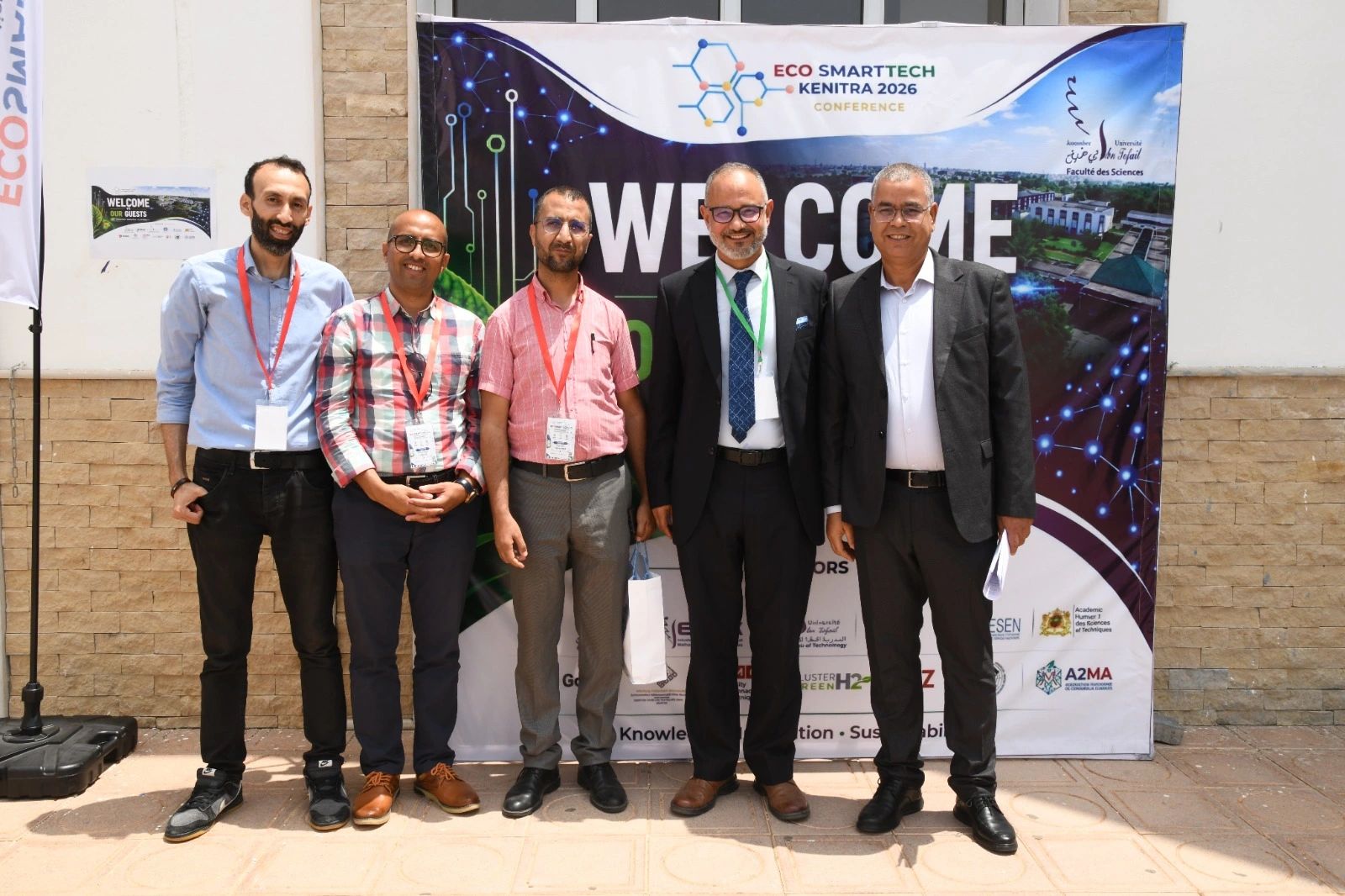
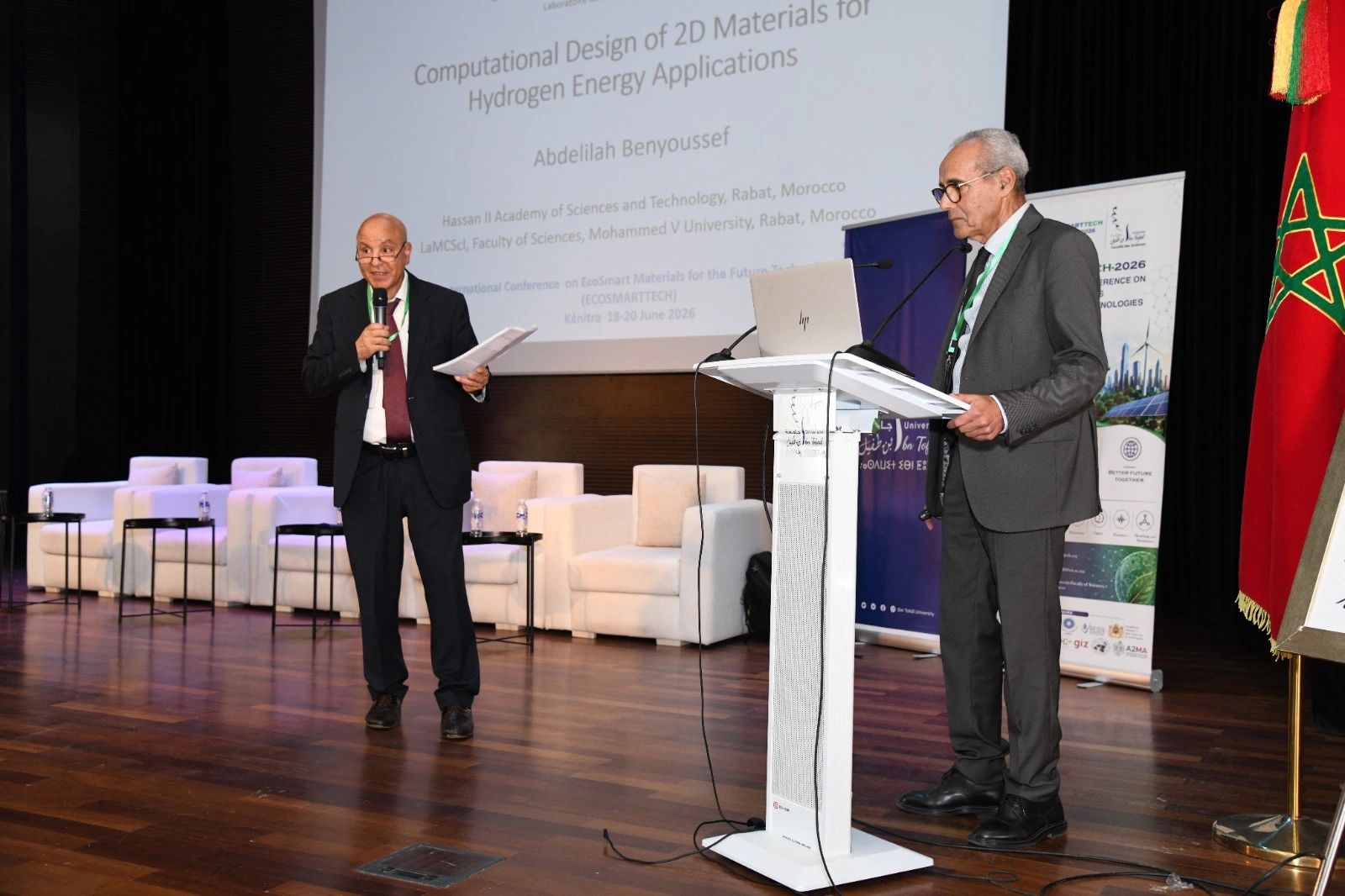
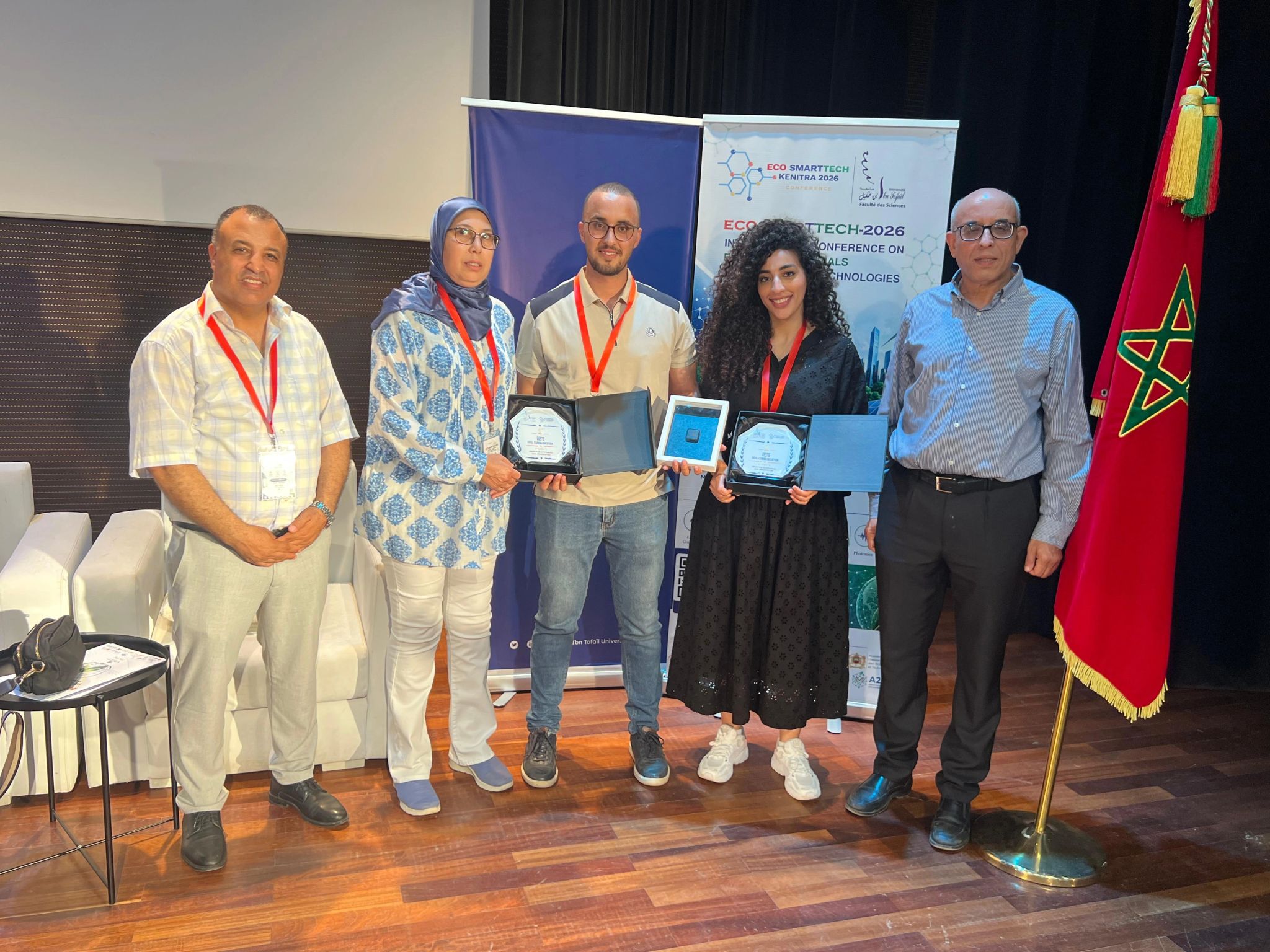
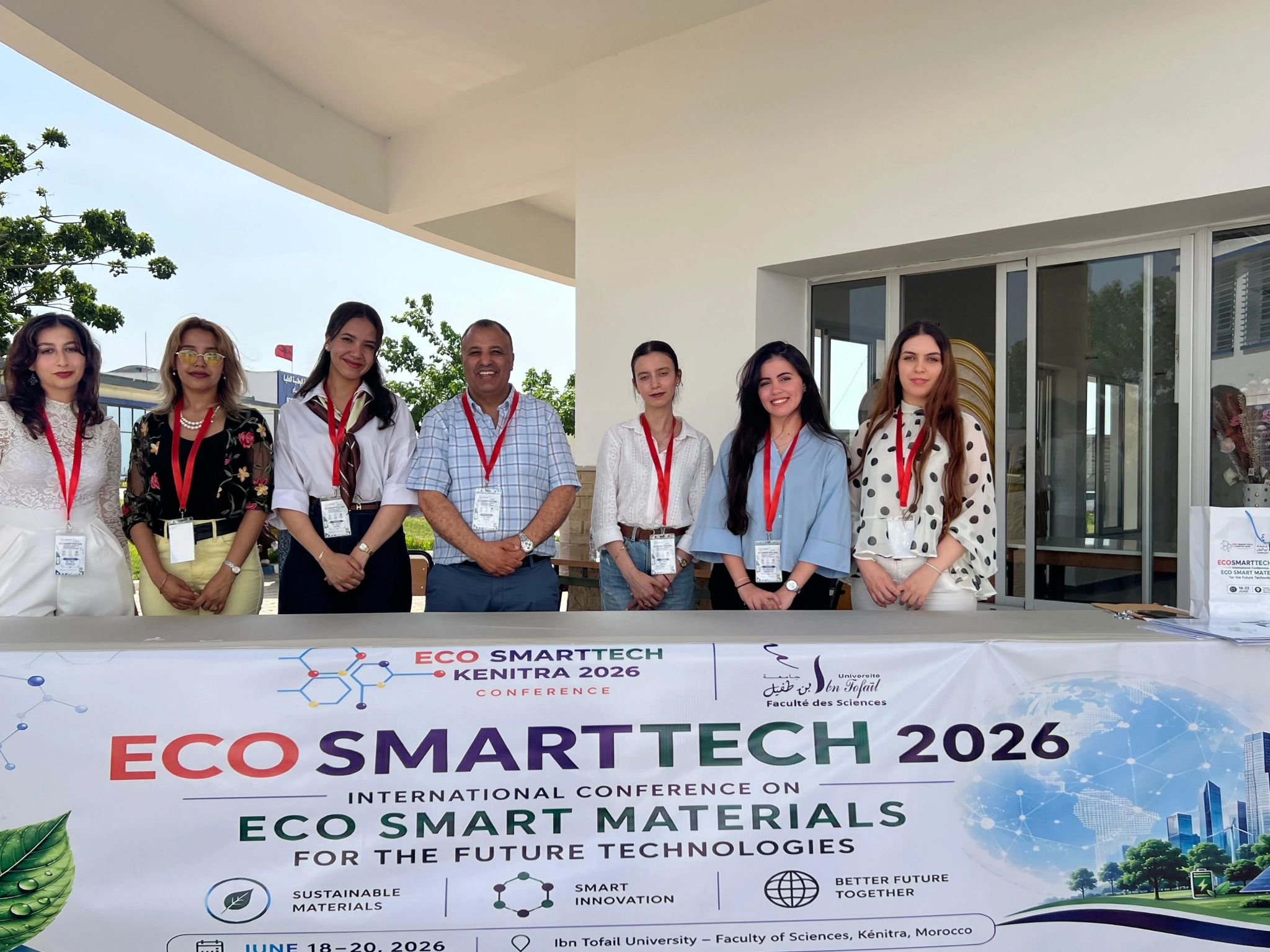
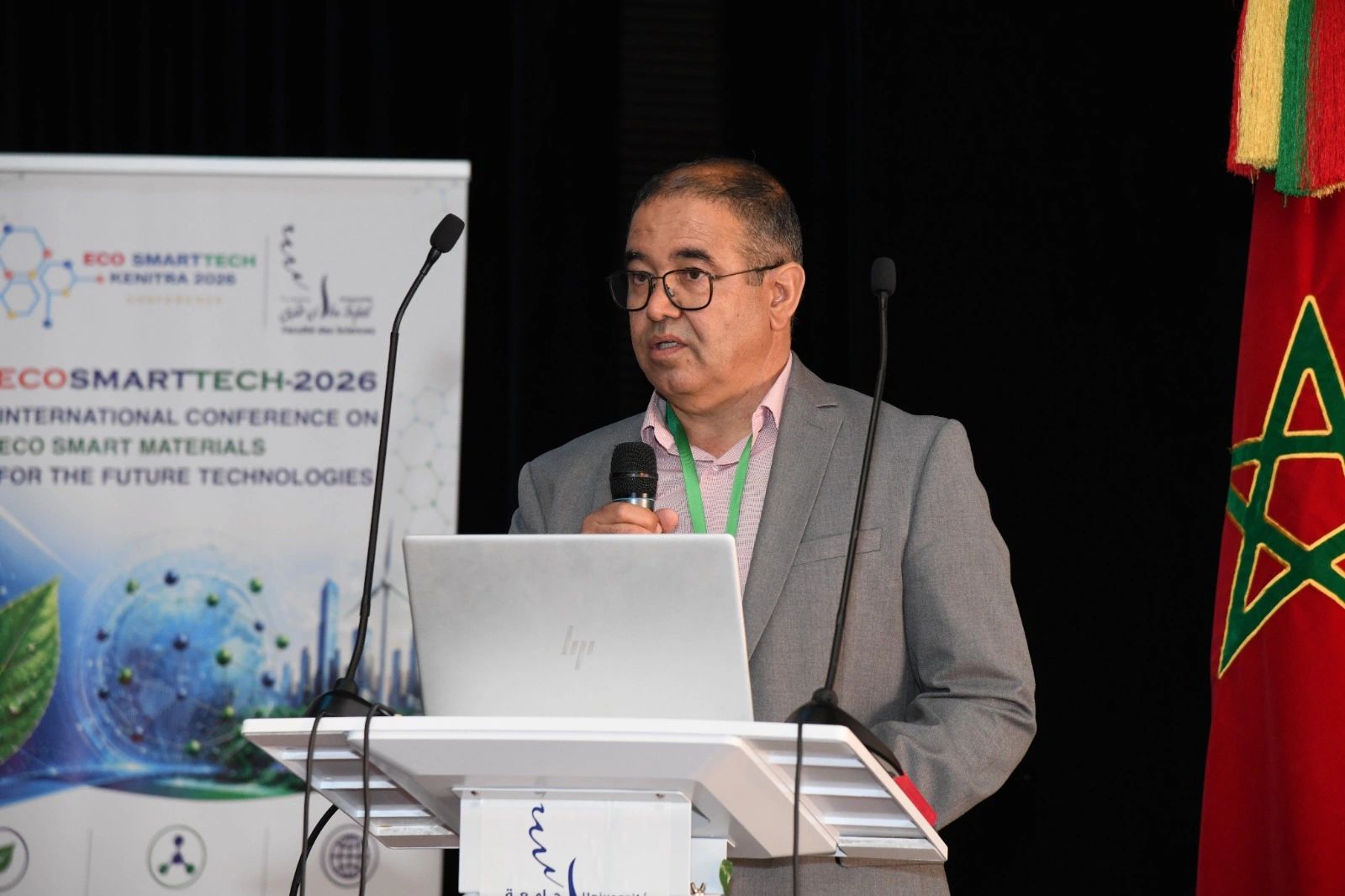
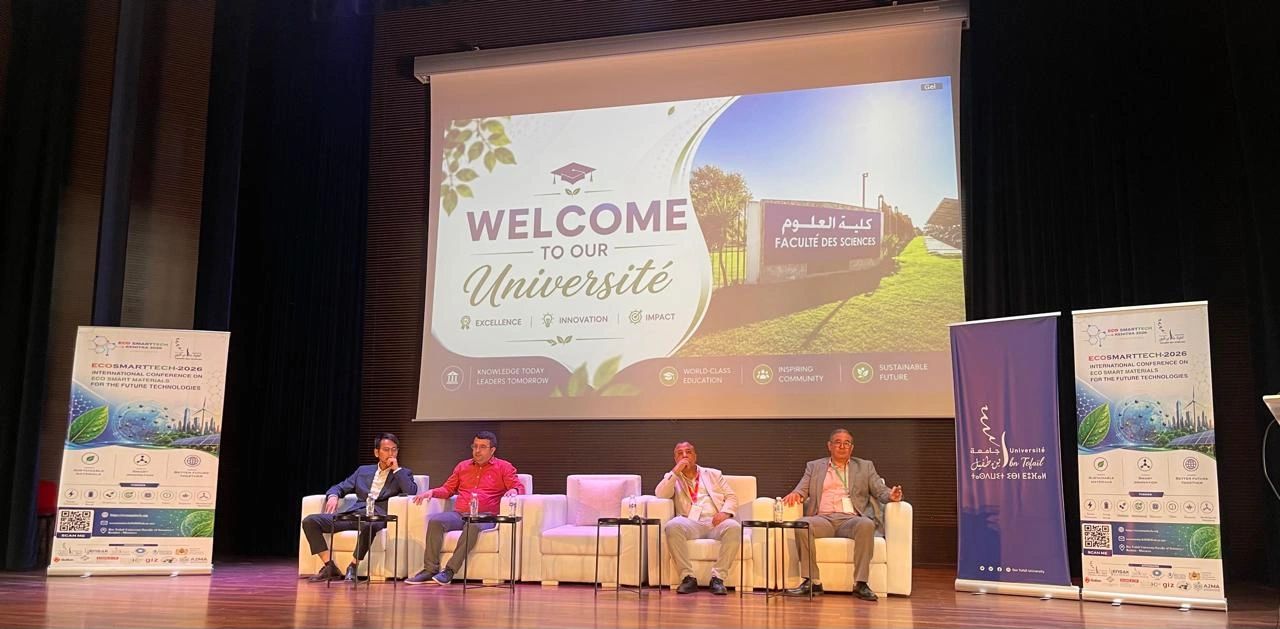
The technologies shaping the future of energy, water and industry begin with a fundamental question: what materials can make them work better? From 18 to 20 June 2026, this question was at the centre of the second International Conference on Eco Smart Materials for Future Technologies (ECOSMARTTECH 2026), hosted by the Faculty of Sciences of Ibn Tofail University in Kenitra under the theme “Advanced Materials for Green Energy and Environment.” Through plenary lectures, parallel scientific symposia, doctoral oral presentations and a poster session, the conference provided a setting for presenting and discussing research in materials science, nanotechnology and their technological applications.
The conference was conceived around a wide spectrum of research and development, extending from fundamental mechanisms and technical methodologies in materials science to advanced applications in nanotechnology. Its scientific programme was structured around eight areas: solar energy and green hydrogen; storage and battery technology; photonics and electronics; advanced materials for automotive and aerospace industries; environment and water; healthcare applications; building industries; and artificial intelligence, modelling and simulation for materials and energy. This broad scope placed materials research in direct conversation with several technological fields addressed by the conference.
Energy and environmental technologies formed a substantial part of this scientific scope. The conference addressed smart and multifunctional materials for solar energy and green hydrogen, materials for storage and battery technologies, advanced materials for photonics, electronics and energy conversion, and materials for sustainable environmental and water technologies. Other themes extended these discussions to automotive and aerospace applications, healthcare and the building sector. The programme thus covered both the study of advanced materials and the different technological contexts in which they are being investigated and applied.
The inclusion of artificial intelligence, modelling and simulation for materials and energy as a dedicated conference theme added a computational dimension to this scientific landscape. Rather than limiting the programme to experimental materials research, ECOSMARTTECH placed computational approaches alongside energy, water, photonics, electronics and other applications. The eight themes together illustrate the interdisciplinary scope established by the organizers for examining recent developments across materials science and related technologies.
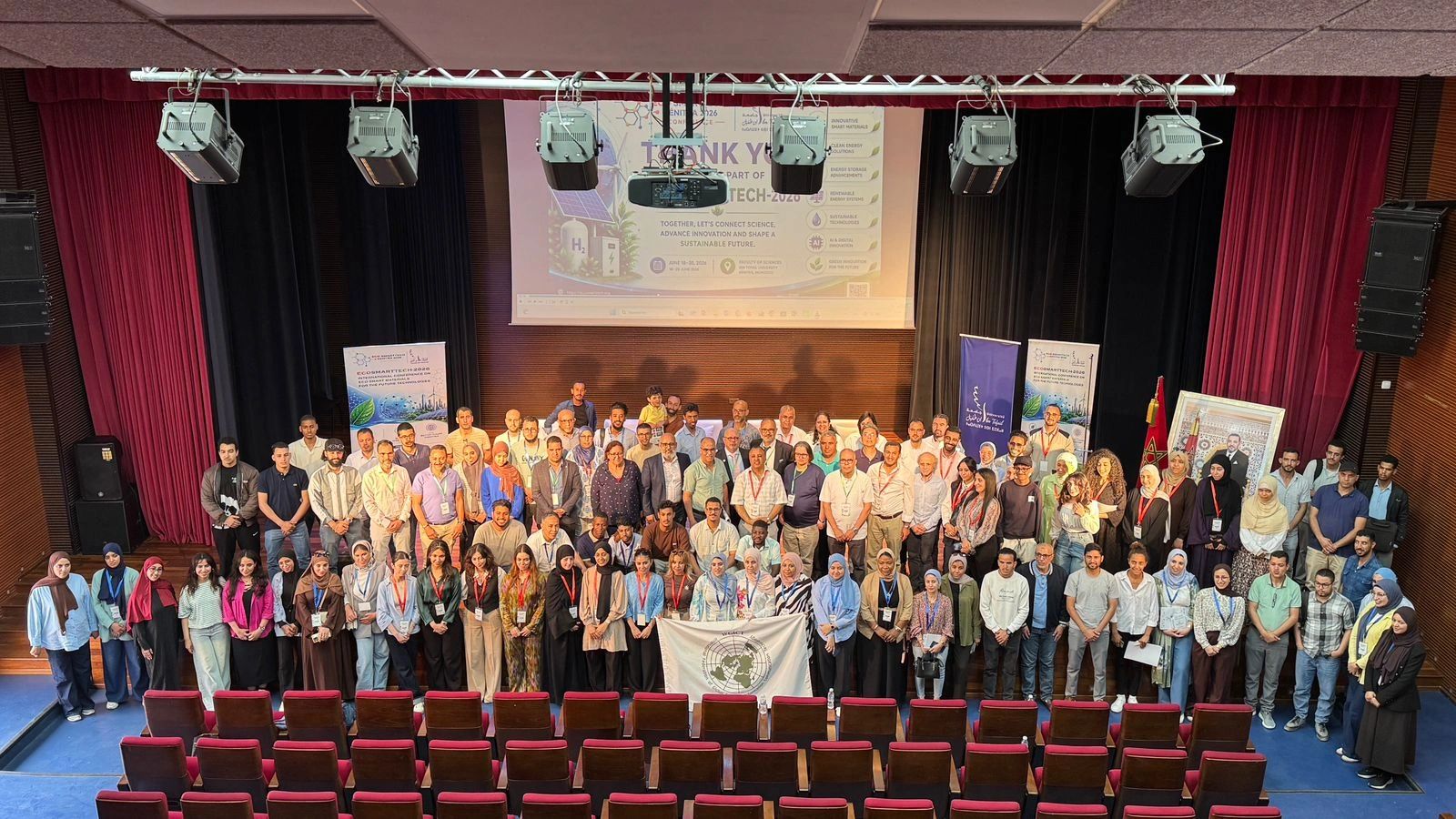
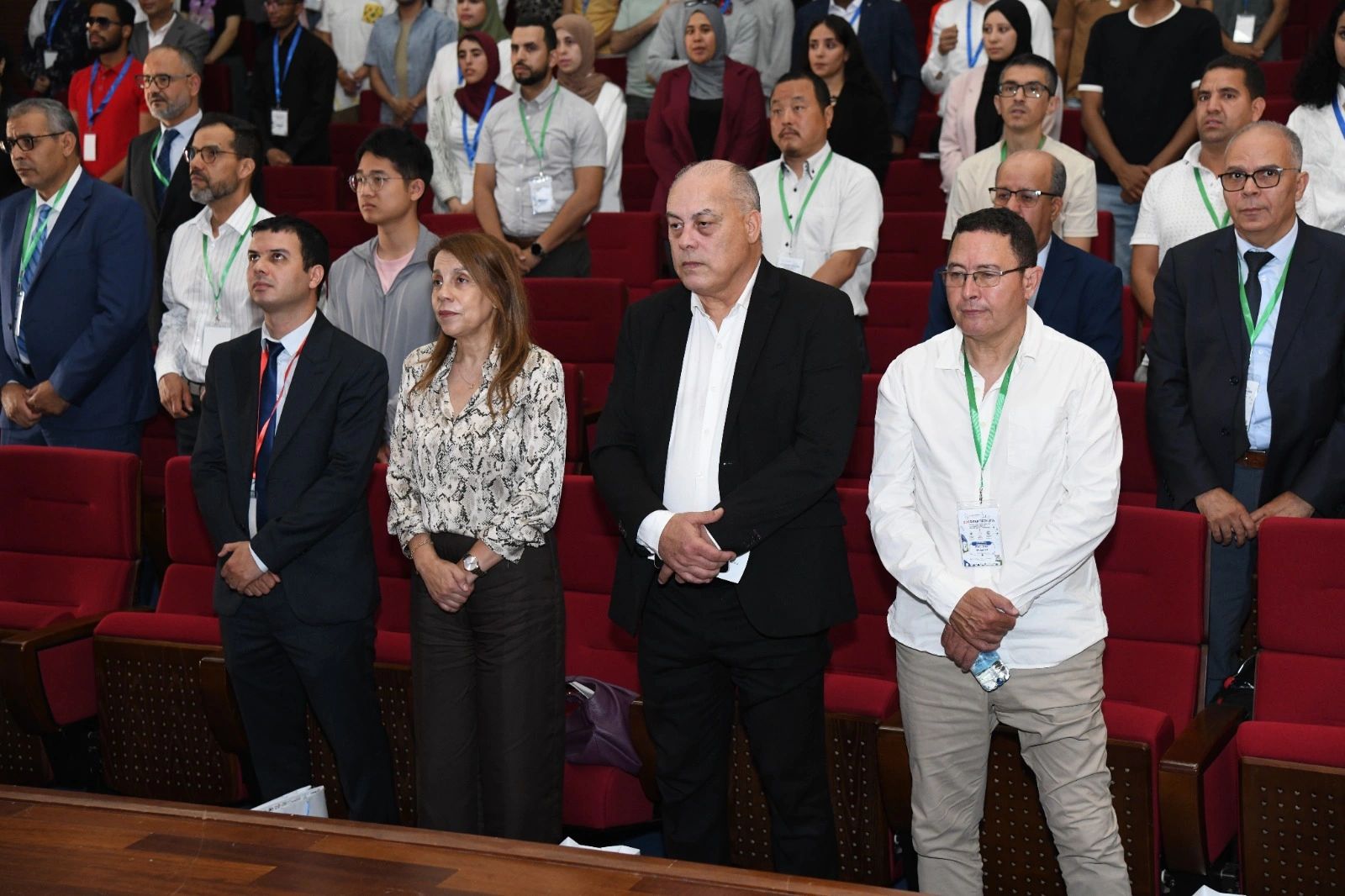
The conference also reflected a geographically and professionally diverse scientific community. Its organizing and scientific structures brought together academics and researchers affiliated with institutions in Morocco and several countries across Europe, Asia and North America, while the announced invited and keynote speakers represented institutions in Morocco, France, Germany, Poland, Japan and Spain. The conference was designed for different profiles within this community, including students, academics and industrial participants, with doctoral researchers given dedicated eight-minute oral-presentation slots in addition to the poster session.
This diversity was central to the purpose stated by ECOSMARTTECH. The conference was established as a platform where researchers could connect with international scientists, discuss ongoing research and development, and develop new collaborations across disciplines. Its scope specifically identifies materials science, renewable energy, water and green hydrogen as areas in which interdisciplinary collaboration and scientific innovation are being encouraged. Participation was also formally extended to industrial actors and companies, creating a conference framework that included both academic research and industry.
The scientific exchange was designed to continue beyond the three days of presentations. The conference website states that selected papers would be published in several indexed journals, providing an additional route for disseminating research presented through the event. Together with plenary lectures, parallel symposia, doctoral communications and the poster session, this publication component formed part of a programme structured around presenting research, discussing recent developments and creating connections among researchers working across different areas of materials science and technology.
Through its second edition at Ibn Tofail University, ECOSMARTTECH 2026 brought into one scientific programme research spanning materials science, nanotechnology, renewable energy, green hydrogen, energy storage, water, photonics, electronics, mobility, healthcare, buildings and computational approaches. More than a focus on a single technology, the conference offered a broad view of the fields in which advanced materials are currently being studied and applied. In Kénitra, this diversity of subjects and scientific backgrounds served the conference’s stated objective: to provide a recurring international platform for exchanging recent research, encouraging interdisciplinary collaboration and connecting materials science with emerging technological applications.