



Event: 10 June 2026
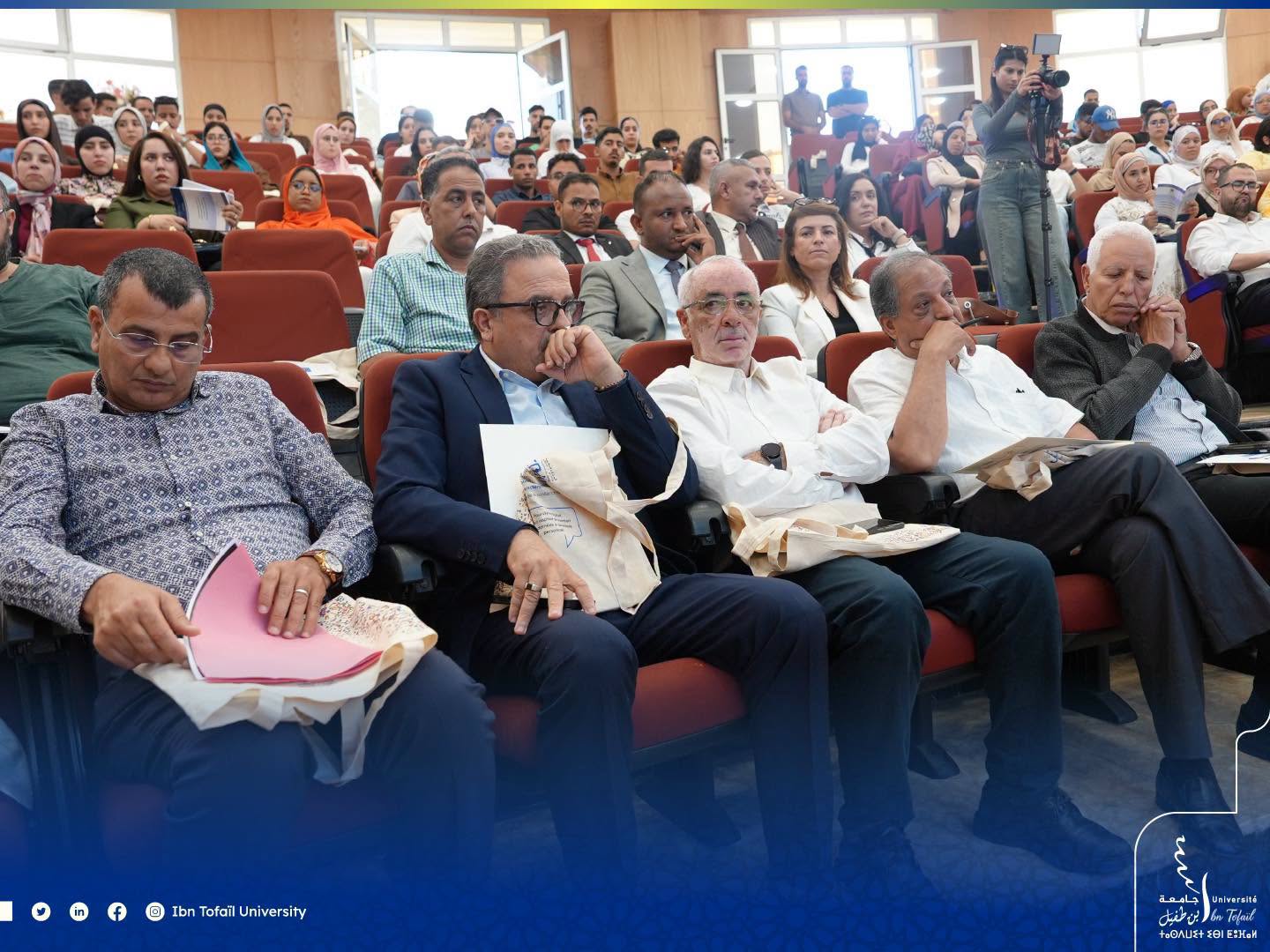
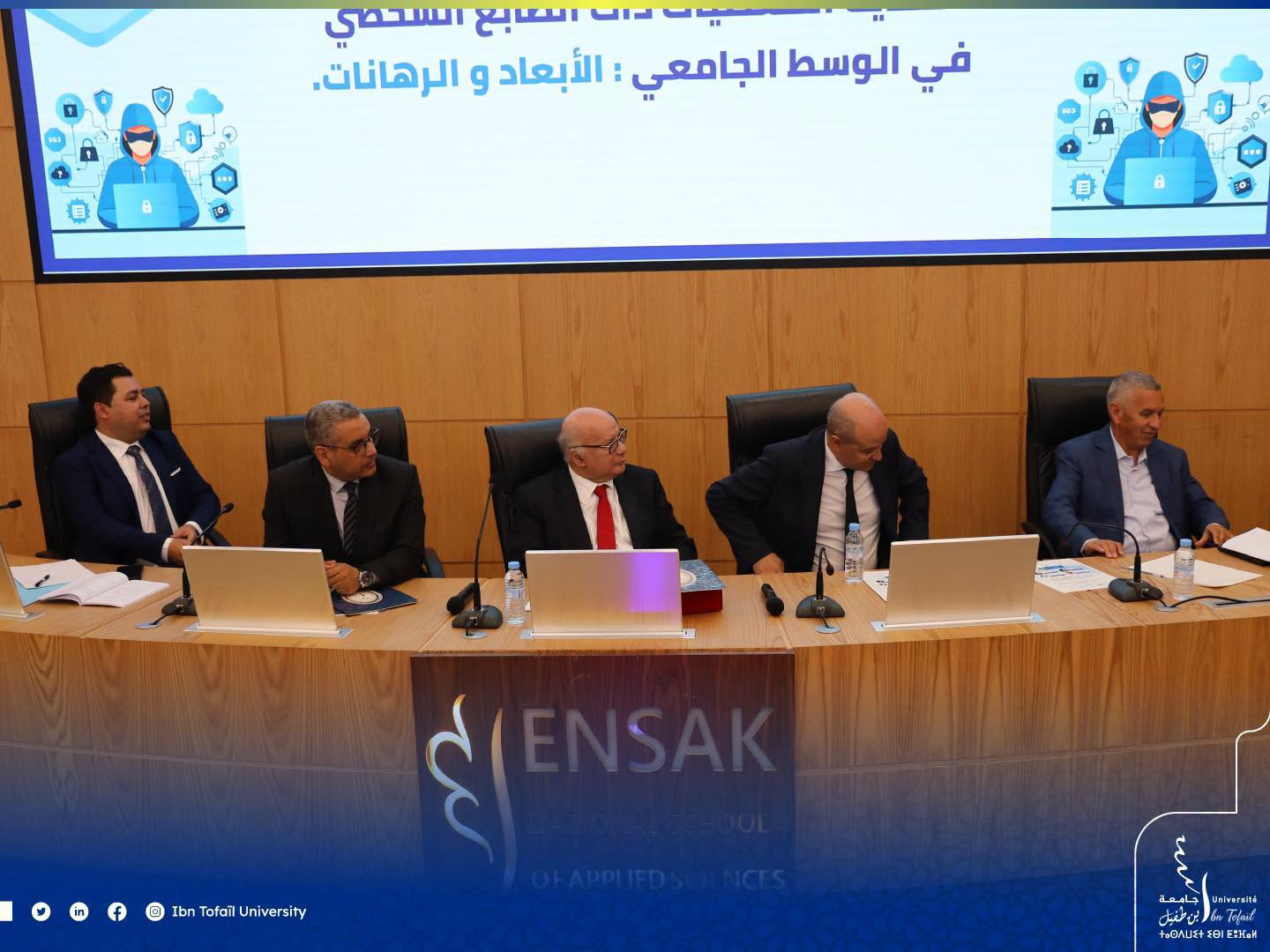
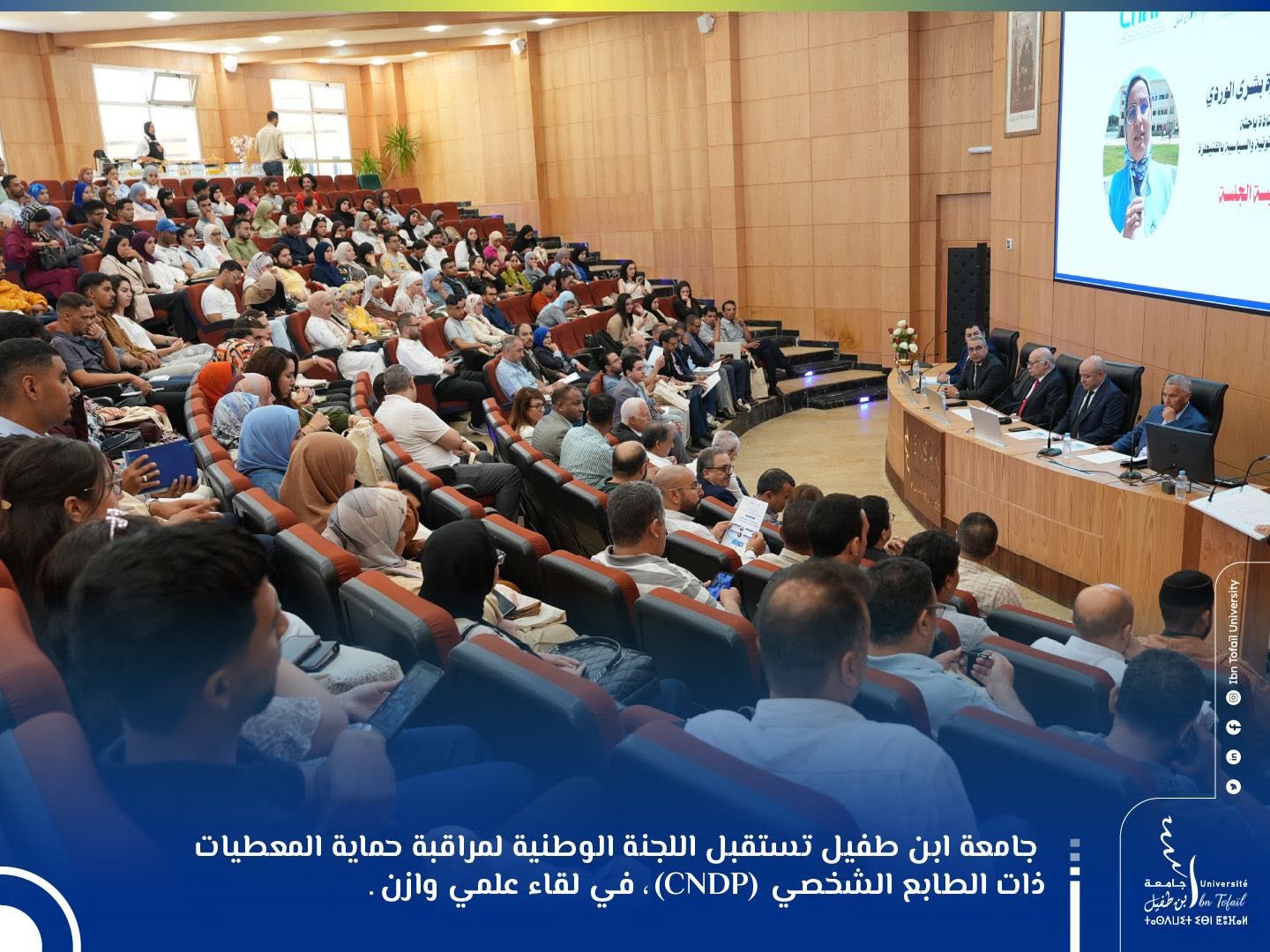
In a time when digital tools have become part of almost every academic experience, protecting personal data is no longer a distant legal concern. It is a daily reality that touches students when they register online, use university platforms, share documents, attend virtual classes, submit research, or communicate through digital services. In this context, Ibn Tofail University hosted, on Wednesday, 10 June 2026 in Kenitra, a scientific and institutional meeting on “Protection of Personal Data in the University Environment: Dimensions and Challenges.”
Organized in partnership with the Faculty of Legal and Political Sciences, the meeting brought together experts, academics, administrative staff, researchers, and students around a subject that has become essential to the future of higher education. The event was marked by the participation of Mr. Omar Seghrouchni, President of the National Commission for the Control of Personal Data Protection (CNDP), whose contribution gave the discussion a strong institutional and practical dimension.
The importance of this meeting lies in the fact that universities today are no longer only physical spaces of learning. They are also digital environments where large amounts of information circulate every day. Student records, research data, online learning platforms, administrative databases, images, emails, and digital identities all form part of university life. This transformation makes services faster and more accessible, but it also raises serious questions about privacy, security, responsibility, and trust.
For students, the meeting offered more than information; it provided awareness that directly relates to their daily lives. In a world where a photo, a document, a password, or a personal detail can be shared in seconds, understanding how to protect one’s data has become a necessary skill. The discussions helped highlight students’ rights and responsibilities in the digital space, especially regarding online identity, the right to image, cybersecurity risks, and the responsible use of emerging technologies such as artificial intelligence.
The meeting also reflected what society is truly experiencing today. Digital transformation is changing how people study, work, communicate, and access services. At the same time, it is exposing individuals and institutions to new forms of vulnerability, including data misuse, cyberattacks, unauthorized access, and the unconscious sharing of personal information. By addressing these issues within the university, the event connected academic debate with real social challenges.
Beyond the campus, the added value of this initiative extends to society as a whole. Universities educate future professionals, teachers, researchers, entrepreneurs, public servants, and decision-makers. When students learn to respect privacy, protect information, and use technology responsibly, they carry these values into their future workplaces and communities. In this way, the meeting contributes to building a wider culture of digital trust, where innovation is guided by ethics and respect for human dignity.
The discussions tackled key challenges linked to the digital university, including the protection of institutional platforms, the security of databases, the management of research data, the risks related to artificial intelligence, and the need to make privacy a daily institutional practice. These questions are important because digital progress cannot be meaningful if it does not protect the people who use it.
For Ibn Tofail University, hosting this meeting reflects a clear commitment to responsible digital governance. It shows that the university’s digital transformation is not only about adopting new technologies, but also about creating a safer, more aware, and more responsible academic environment. The initiative also confirms the university’s role as a space where knowledge, law, ethics, and public responsibility meet.
The expected impact of this meeting is both practical and long-term. It aims to strengthen awareness among students and staff, encourage safer digital behavior, support institutional compliance, and promote stronger cooperation between the university and the CNDP. It also helps tackle urgent challenges such as limited knowledge of data protection rules, weak digital habits, cyber risks, and the misuse of personal information.