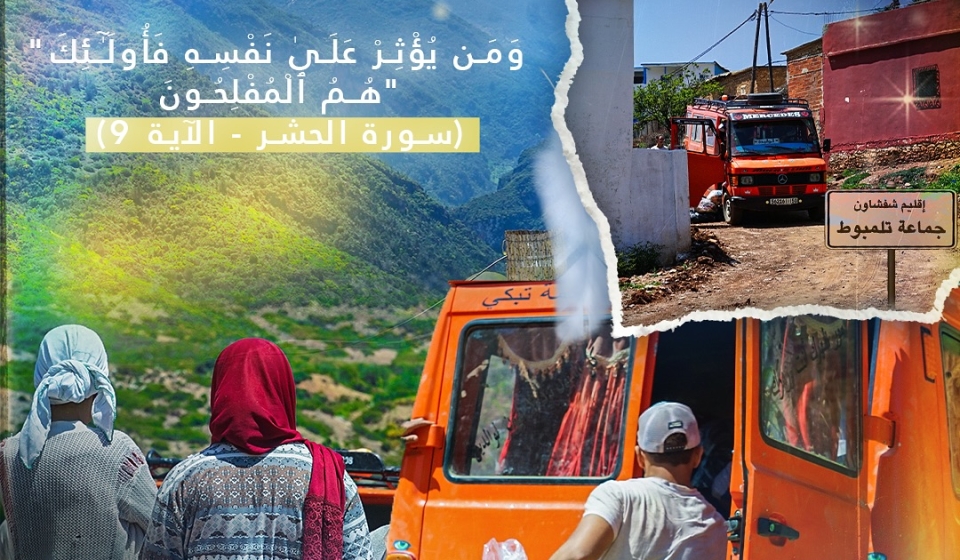
High in the mountains of Talambote, in the province of Chefchaouen, daily life moves with quiet resilience. It is a place where landscapes are vast, winters are demanding, and community ties run deep. It is also where the 14th edition of the humanitarian journey led by Club Social Anir of Ibn Tofail University unfolded, not as a fleeting visit, but as a carefully structured engagement shaped by listening, preparation, and continuity.
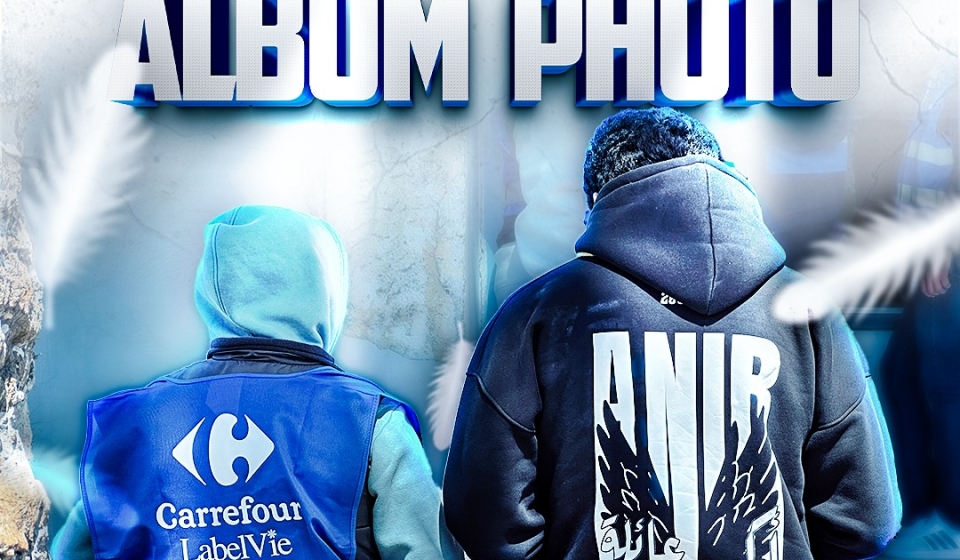
The journey began with something both simple and essential: food. Three hundred food baskets were distributed with the support of Carrefour Morocco, reaching households across the village. The scene was not one of spectacle, but of organization and coordination, volunteers moving with purpose, families receiving what had been prepared for them with dignity and order.
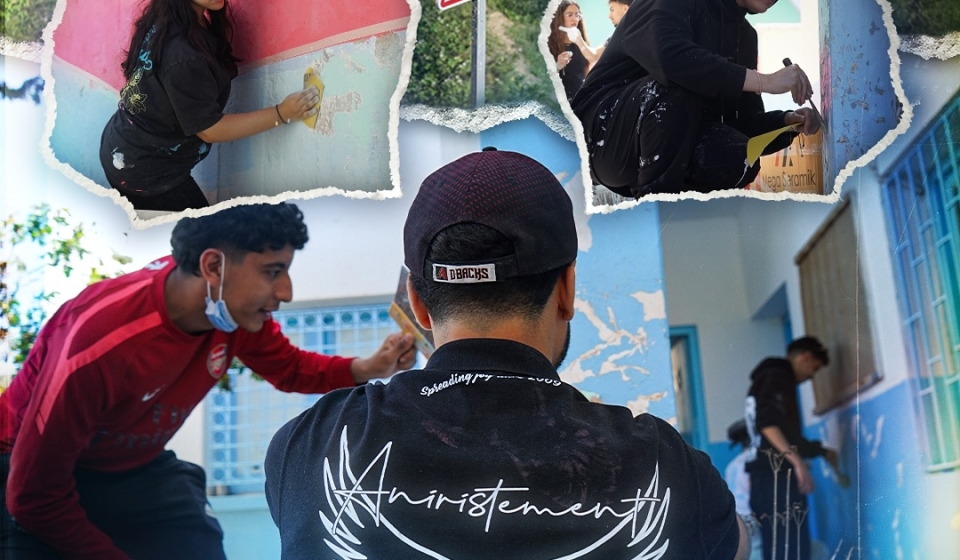
From there, attention turned toward the school, a space that carries the weight of tomorrow. Walls were repaired and repainted, classrooms refreshed, and learning spaces reorganized. What had once shown signs of wear slowly regained clarity and color. The transformation was visible not only in the structure itself, but in the atmosphere it created. A renewed classroom changes the rhythm of a school day; it alters how light enters, how desks are arranged, how students sit and look at the board. It quietly redefines the experience of learning.
The library followed. Computers and educational tools were installed, opening the room to new forms of knowledge. Screens that once did not exist became windows, not replacing books, but standing beside them. For many students, this marked a first encounter with structured digital access within their own school environment. The room, once limited by its shelves, began to suggest wider horizons.
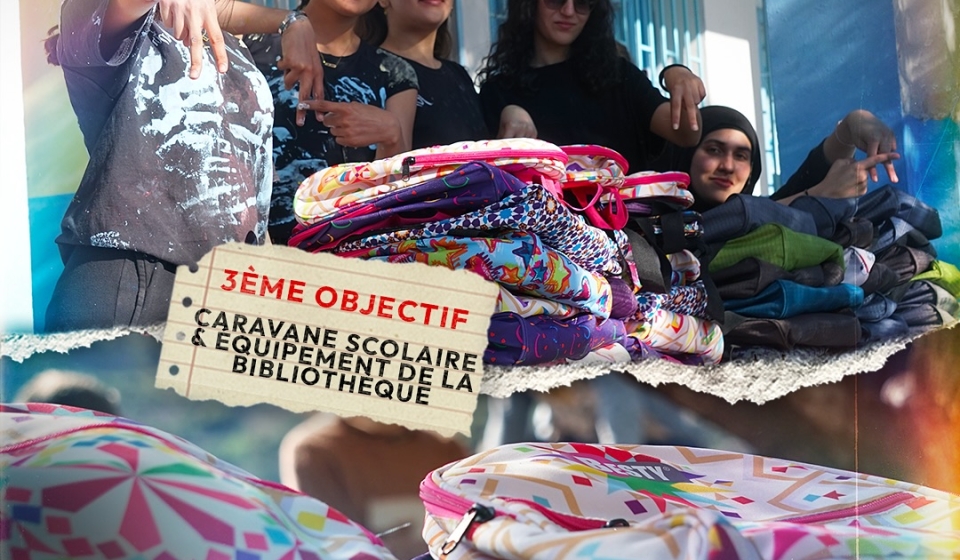
Learning did not remain confined to walls. Through the educational caravan, activities unfolded that blended curiosity with creativity. Workshops, interactive sessions, and moments of shared discovery filled the school with a different kind of energy. There were questions asked aloud, laughter that carried through corridors, and hands raised not out of obligation, but eagerness. Education felt alive in those moments.
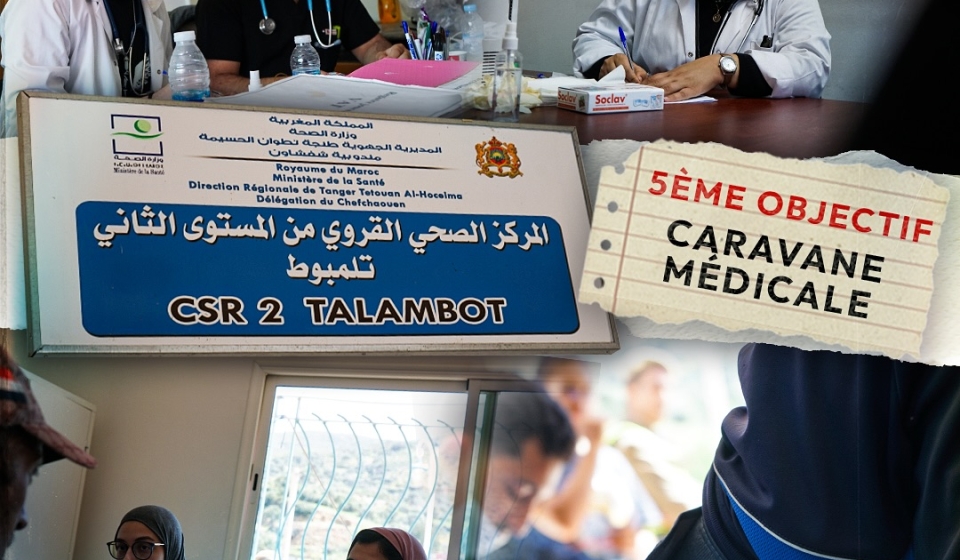
Healthcare, too, became part of the journey. A multi-specialty medical caravan was organized to offer consultations and basic care to residents. The setup was simple yet precise: tables, medical equipment, professionals seated face-to-face with villagers. Conversations were unhurried. Examinations were conducted with attention. In places where access can be limited by distance or circumstance, presence alone carries meaning.
As winter presses more firmly in mountainous regions, warmth becomes more than comfort. Clothing and blankets were distributed following a solidarity collection campaign organized ahead of the journey. Items were sorted, folded, and handed over with care. The fabric itself was practical; the gesture was quiet. In cold climates, protection is not symbolic; it is immediate.
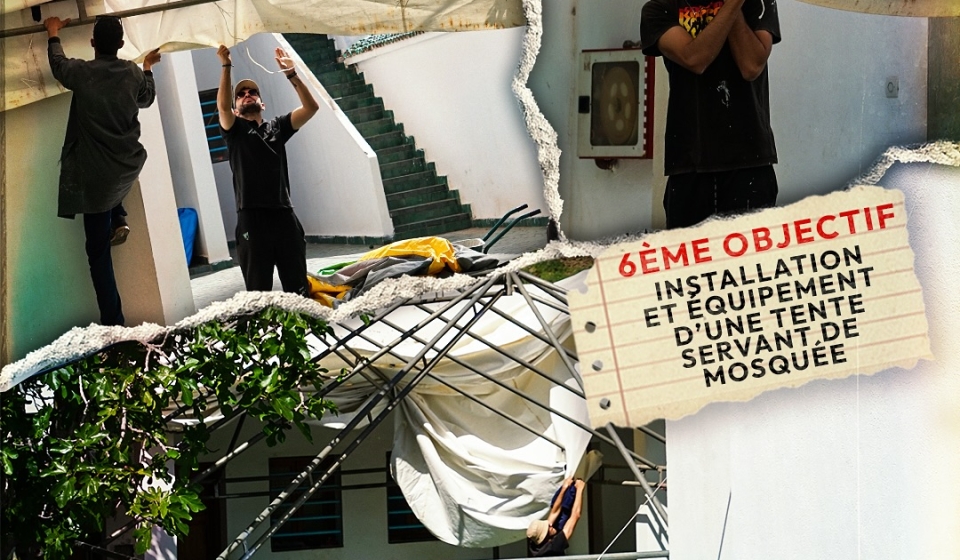
Spiritual life was also considered. A tent was installed and equipped to serve as a mosque, creating a clean and organized space for prayer and gathering. Under the open sky and mountain air, the structure stood modest yet deliberate. It offered shelter, yes, but also continuity, a place where routine and reflection could take shape without interruption.
The final stage of the journey moved toward something less visible but deeply rooted in time: the rehabilitation and equipment of an existing sewing cooperative. The space was reorganized and furnished to support better the women who work there. Materials were provided, tools arranged, and the environment adapted to facilitate production. The cooperative, already active, gained renewed structure and capacity. Threads and fabrics, once managed in limited conditions, are now moved within a more functional setting.
Taken separately, each initiative addresses a specific dimension of community life: nourishment, education, health, warmth, spirituality, and economic activity. Together, they form something more coherent, an approach that does not isolate needs but recognizes how they intersect.
This 14th humanitarian journey was not defined by grand declarations. It unfolded through measured actions, prepared logistics, and consistent engagement. It did not attempt to rewrite reality, nor did it portray the community through deficiency. Instead, it worked alongside existing structures, a school, a cooperative, a village, reinforcing what was already there.
When the journey concluded, there were no dramatic endings. The mountains remained, the school doors reopened the next morning, the cooperative resumed its rhythm, and the prayer tent stood quietly in place. Yet traces of the passage remained, in painted walls, in arranged desks, in stocked shelves, in organized workspaces.